Contact Beco Consulting today and discover how our expertise can turn your vision into reality. Together, let's build a future of excellence for your business.


services
Unlock the full potential of Oracle APEX with our expert, reliable, and cost-effective hosting and support solutions tailored to your business needs.

TRPGLOBAL delivers tailored Oracle Analytics Cloud solutions enhancing data-driven business insights.
Securing data and IT assets in a connected, compliance-driven world.
Develop a robust business strategy and roadmap that aligns with your long-term.
Gain financial clarity with our in-depth analysis and comprehensive financial.

OUR INDUSTRIES

At Beco, excellence is not an aspiration; it's a way of life. Our team's relentless pursuit of perfection drives us to consistently deliver superior services and unparalleled.
We are more than consultants; we are dedicated partners, working hand in hand with our clients to turn visions into reality and drive sustainable success.

Trusted and powering benefits for companies like


Experience the power of informed decision-making and strategic vision with our comprehensive business services.
.webp)


.webp)
Contact Beco Consulting today, and let's embark on a transformative partnership that paves the way for unparalleled success. Discover how our exceptional team can elevate your business to new heights.
Testimonials
"Beco's financial restructuring expertise was exactly what our company needed. They identified areas for improvement we hadn't even considered. Their solutions transformed our financial landscape, driving significant cost savings."
Testimonials
"Beco's strategic insights were a game-changer for us. Their expert guidance and tailored strategies helped us navigate challenges and tap into new growth avenues. Thanks to Beco, we're not just surviving, but thriving in a competitive tech landscape."
Testimonials
"Working with Beco was an absolute pleasure. Their operational efficiency recommendations streamlined our processes, saving us time and resources. Our fulfillment speed has never been faster, and our customers are noticing the difference."
LATEST NEWS & BLOG
Indian enterprises are increasingly outsourcing cybersecurity in 2026 as rising cyber threats, talent shortages, and compliance complexity make in-house security harder to sustain. Managed cybersecurity services offer cost efficiency, 24/7 monitoring, faster incident response, and stronger risk protection. This shift is helping businesses build scalable, resilient, and compliance-ready cyber defense strategies.

AI is reshaping data centres into high-density, power-intensive hubs designed for advanced computing. Rising AI workloads are driving demand for stronger infrastructure, liquid cooling, smarter energy use, and better cybersecurity. Businesses must modernize systems and risk strategies to stay competitive in this rapidly evolving digital landscape.

In an era where digital transformation is accelerating at an unprecedented pace, cybersecurity has evolved from a back-end IT function to a core pillar of enterprise resilience. Organisations today are not only managing data, but they are also safeguarding trust, reputation, and operational continuity.

In March 2026, a critical cybersecurity incident sent shockwaves across the global developer ecosystem. The widely used JavaScript HTTP client Axios became the centre of a sophisticated supply chain attack, where attackers injected malware into trusted npm packages.

In March 2026, a major cybersecurity incident shook global headlines when an Iran-linked hacker group breached the personal email account of FBI Director Kash Patel. The attack, claimed by the Handala Hack Team, exposed hundreds of emails and personal data, highlighting the growing sophistication of state-linked cyber threats.
.png)
India’s digital economy is expanding at an unprecedented pace. Organizations across industries are rapidly adopting cloud technologies, digital payments, remote work systems, and data-driven operations. While this transformation has unlocked efficiency and growth, it has also introduced a significant increase in cybersecurity risks.

The recent cyberattack on Stryker highlights a critical shift in cybersecurity, in which trusted tools like Microsoft Intune can be weaponised by compromised identities. This suspected wiper attack underscores the growing risk of destructive, politically motivated threats and reinforces the need for organisations to prioritise identity security, resilience, and proactive risk management.

Wiper malware is emerging as one of the most destructive cyber threats, designed to permanently erase data and cripple digital systems. Unlike ransomware, recovery is often impossible without strong backups and rapid response strategies. As cyber risks grow globally, businesses must strengthen cybersecurity, risk management, and resilience frameworks to protect critical data and maintain operational continuity.

India’s Global Capability Centres (GCCs) have become critical engines of global business. From driving innovation and digital transformation to supporting finance, operations, and technology functions, GCCs are playing a central role in how multinational companies scale and compete. Over the past decade, India has emerged as one of the world’s most important hubs for these centres, with organisations leveraging the country’s skilled workforce and strong digital infrastructure to power global operations.

In the modern digital economy, cyber incidents are no longer isolated technical problems. They have evolved into complex risk events that can disrupt operations, damage reputations, and expose weaknesses in organisational resilience.
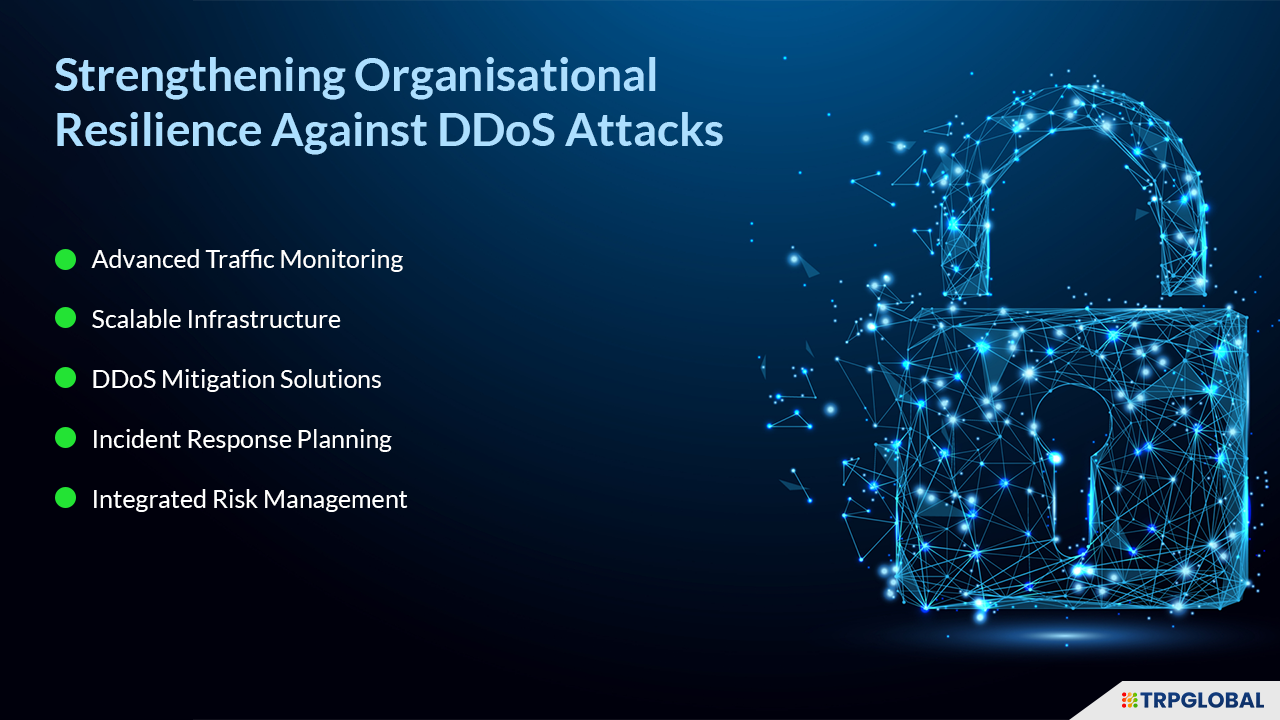
In today’s interconnected global economy, crises rarely remain confined to a single geography. Political tensions, economic disruptions, cyber threats, and supply chain instability can quickly ripple across industries and markets worldwide. While headlines often focus on the immediate impact of such events, they also highlight an important reality for organizations: uncertainty has become a constant feature of the modern business environment.

Cyberattacks are no longer defined by loud system failures or obvious breaches. The most dangerous threats today operate quietly embedded within trusted tools, legitimate workflows, and everyday business platforms.

The first large-scale AI cyber attack executed primarily by artificial intelligence has fundamentally altered the cybersecurity landscape. Chinese state-sponsored AI hackers successfully jailbroke Anthropic's Claude AI, weaponising it to target approximately 30 global organisations and Mexican government agencies.

The cybersecurity industry just witnessed a major shift.When Anthropic introduced its AI-driven code security capabilities, global cybersecurity stocks reacted almost instantly. Companies like CrowdStriCloudflare and Okta saw noticeable market dips, signalling growing speculation that AI might disrupt traditional cybersecurity models.

The global fintech industry is entering a decisive new chapter, one powered not just by digitisation, but by intelligence. Artificial Intelligence (AI) is rapidly becoming the core engine behind financial innovation, reshaping how payments, compliance, security, and customer experiences are delivered.

Artificial Intelligence is rapidly shifting from experimentation to execution, and the AI Impact Summit 2026 made one thing clear: the world is entering the era of impact-driven AI.Bringing together global policymakers, technology leaders, enterprises, and innovators, the summit focused not just on AI capabilities but on measurable outcomes, governance, and real-world implementation.

Generative and agentic AI are rapidly transforming enterprise security. While generative AI creates content and enhances productivity, agentic AI can independently plan and execute tasks across systems. This evolution brings powerful efficiency gains but also introduces new cyber risks. AI systems now access sensitive data, expand the attack surface, and operate with increasing autonomy. For CISOs, this means shifting from traditional perimeter-based security to AI-focused governance, zero-trust access controls, and continuous monitoring of AI behaviour. Organisations must secure AI systems just like privileged users. Innovation must move forward, but security, compliance, and resilience must move with it.
.png)
Cyber threats are evolving faster than ever, and Microsoft’s February 2026 Patch Tuesday proves just how urgent cybersecurity has become for modern organisations.In its latest update, Microsoft has released security patches for 59 vulnerabilities, including six actively exploited zero-day vulnerabilities already being used in real-world attacks. These flaws affect widely used enterprise tools such as Windows, Microsoft Office, and core system components, making this update especially critical for businesses of all sizes.

Cybersecurity has become the top business risk for India Inc, with 51% of leaders identifying cyber breaches as the biggest threat to business performance. As digital risks continue to rise, organisations must prioritise proactive security, strong governance, and employee awareness to protect operations, finances, and reputation.

APT28’s rapid exploitation of a newly patched Microsoft Office vulnerability highlights a growing reality, cyber threats now evolve faster than traditional defenses. This incident underscores the need for organizations to move beyond reactive patching and adopt a governance-led, risk-driven approach to cybersecurity. Strengthening cyber resilience, threat intelligence, and operational readiness is no longer optional, it’s essential.

The Notepad++ hack exposes a critical truth for modern enterprises: trusted software and compliant processes can still fail silently. By exploiting an assumed-safe update mechanism, the incident highlights how supply-chain risk often hides inside everyday operations. This post examines why traditional controls miss these failures and why continuous validation, not blind trust, is now essential for enterprise cyber resilience.

India’s latest government cybersecurity alert is more than a routine update notice; it is a clear warning for enterprise leadership. With critical vulnerabilities identified in widely used platforms like Apple devices and Google Chrome, the risk extends far beyond individual users into core enterprise systems. For CIOs, this alert highlights a deeper issue: modern cyber risk is continuous, interconnected, and often hidden inside trusted everyday tools. While patching is necessary, it is no longer sufficient on its own. True resilience requires continuous visibility, integrated controls, and governance that moves beyond checkbox compliance. This alert is a reminder that cyber risk is now a leadership issue and those who act early stay in control.

The CISA–ChatGPT incident proves internal access is now a major enterprise risk. This wasn’t a cyberattack, but authorised users sharing sensitive data via AI tools. Compliance alone failed. Real-time, system-enforced controls are essential to prevent AI-driven data exposure before it becomes a headline.

Compliance alone doesn’t protect businesses from real-world risks. Many organizations pass audits while remaining vulnerable due to weak system-level controls. True resilience comes from automated, continuous controls embedded directly into ERP environments. At TRPGLOBAL, we believe compliance should be the outcome of strong operational control, not the objective itself.

Annual risk assessments were designed for a slower, simpler business environment. Today, enterprises operate in always-on digital ecosystems where access changes daily, systems evolve continuously, and threats emerge without warning. Relying on static, manual, once-a-year reviews creates dangerous blind spots and a false sense of security. True resilience requires continuous, automated, ERP-native risk management that detects issues in real time, enforces controls proactively, and provides leadership with live risk visibility. Modern organizations must move from “Are we compliant?” to “Are we secure today?”

In 2026, SAP and Oracle enterprises are rethinking risk management because traditional controls often fail silently. Access drift, broken workflows, outdated SoD rules, and cloud changes create hidden risks that dashboards and audits often fail to detect. Leading organisations are moving to continuous control monitoring and automated assurance to make ERP risk visible, measurable, and manageable before it becomes a business or compliance crisis.

Simplifying GRC is not about reducing control; it’s about removing complexity. In this article, TRPGLOBAL explains how organisations can strengthen governance, improve cybersecurity, and manage compliance risks without adding more tools to their technology stack. By leveraging existing ERP systems like Oracle, centralising risk data, automating controls, and embedding risk management into daily operations, businesses can gain real-time visibility, reduce audit effort, and lower operational costs. The result is a smarter, integrated, and future-ready GRC framework that turns compliance into a competitive advantage.

By 2027, risk management will shift from periodic reviews to continuous risk intelligence. As AI accelerates decisions, automation enforces controls, and regulation becomes faster and more outcome-driven, organisations can no longer rely on manual or reactive approaches. This article examines how AI enables early risk detection, automation delivers consistent governance at scale, and regulation demands real-time accountability and explainability. It highlights the growing importance of decision risk and third-party ecosystems as board-level priorities. The future of risk management lies in embedding governance early, allowing innovation to move faster, safer, and with confidence.
As organisations step into a new financial year, many assume it marks a clean slate for risk. This blog challenges that belief by exploring the hidden, inherited risks companies quietly carry forward from access creep and vendor exposure to ineffective controls, fragmented risk data, and regulatory drift. It explains why the absence of incidents often creates a false sense of confidence and how these overlooked risks tend to surface later as audits, disruptions, or compliance challenges. The blog concludes by highlighting how mature organisations shift from periodic assessments to continuous risk visibility, enabling faster decisions and stronger resilience from the very start of the financial year.

As organisations harden their internal defences, attackers are increasingly exploiting trusted vendors to gain access through the supply chain. This post examines the rise of upstream attacks, explaining how third-party trust expands beyond visibility, why traditional vendor assessments fail in 2026, and how compromised suppliers enable breaches that scale faster, evade detection, and increase regulatory exposure. It also outlines how mature organizations are shifting to continuous vendor risk management to prevent trust from becoming their biggest weakness.

Quantum computing is no longer a distant theory; it’s a fast-approaching reality with serious implications for cybersecurity. While large-scale quantum attacks may not happen tomorrow, adversaries are already preparing today through a strategy known as “Harvest Now, Decrypt Later.” 2026 is emerging as the critical preparation year, the Q-Day prep window when organisations must transition from awareness to action to protect long-lived data, maintain regulatory trust, and future-proof cryptography.

In 2026, fintech success will depend not just on innovation, but on resilience. As digital payments, cloud-native platforms, APIs, and AI-driven services scale faster than ever, infrastructure risk has become a silent business killer. From cloud outages and third-party dependencies to regulatory penalties and reputational damage, fintech companies that fail to strengthen their infrastructure risk posture may find growth turning into liability. This blog explores why infrastructure risk is now a board-level concern and what fintech leaders must do before the next failure hits.

India’s banking sector is rapidly expanding its digital ecosystem by partnering with FinTechs, cloud providers, IT vendors, and outsourced service partners. While this accelerates innovation, it also significantly increases third-party risk. Traditional, manual approaches to third-party risk management are no longer sufficient to meet today’s regulatory expectations and threat landscape.This blog explores how AI is rewriting third-party risk management for India’s banks, enabling continuous monitoring, predictive insights, faster compliance, and stronger operational resilience.

OpenAI’s latest warning signals a major shift in enterprise cybersecurity: next-generation AI models may accelerate, amplify, and even automate cyberattacks in ways current defenses are not designed to withstand. Yet the biggest risk isn’t just the capability of these models — it’s the widening gap between how organizations expect AI to behave and how AI systems actually behave once deployed. This article explores that hidden risk, how it forms, why it is more dangerous than traditional cyber threats, and what enterprises must do to prepare.
.png)
Manufacturing attacks have surged sharply in 2025, and suppliers are now the easiest entry point for cybercriminals. A single weak vendor can halt production and disrupt entire networks. This blog explains why the threat is rising and what steps leaders can take right away. If you depend on a supply chain, you cannot afford to ignore this shift.
The recent back-to-back global outages of Cloudflare on November 18, 2025, and December 5, 2025, have disrupted countless websites and services worldwide, including major fintech, trading, Saa,S and “always-on” platforms. These events exposed how dangerously dependent many businesses have become on a single infrastructure provider. For fintech firms, crypto exchanges, payment gateways, and other real-time services, even brief downtime can cause serious financial losses, operational disruption, and reputational damage. The outages are sending a clear and urgent wake-up call to re-engineer digital infrastructure for resilience, redundancy, and fault tolerance.

Cybercrime has evolved and fast. In 2026, the biggest threat to businesses won’t be traditional ransomware, but data extortion. Attackers are now stealing sensitive data and threatening to leak it publicly, creating massive compliance, legal, and reputational damage. This post covers why data extortion is rising, how attacks work, and practical steps to reduce risk before 2026 becomes the year cybercriminals take control of your information.

The biggest cyber incidents of 2025 have one thing in common, small gaps turned into massive business problems. From vendor breaches to stolen admin credentials, each case shows where companies slipped and what leaders should fix next. This blog breaks down the top five attacks in simple language and explains what every board and IT team should take seriously right now. If you want the lessons without the noise, this summary gives you the clearest view of where cyber risk really lives in 2025.

Cyber experts keep giving the same warning: the biggest threat to modern enterprises is not advanced attackers but the internal weaknesses created by silent process drift, unvalidated controls, and outdated governance. Most organizations overlook these issues because everything appears stable until the moment it isn’t.

The most dangerous cyber weakness today isn’t malware, ransomware, or zero-day vulnerabilities. It’s the hidden drift between expected control behavior and actual execution. This silent weakness grows inside identity systems, cloud environments, workflows, and automation invisible until the moment it causes real damage.

Cyber programs don’t collapse because of attackers. They collapse because leaders assume controls are working without verifying them. The most critical cyber blind spot is the gap between how teams believe controls operate and how they actually operate in daily practice.

Every cyber program contains silent vulnerabilities that hide inside assumptions, outdated procedures, and unvalidated controls. These weaknesses rarely generate alerts, yet they can trigger major incidents, audit failures, or operational breakdowns.

The biggest failures in modern enterprises rarely come from major attacks or obvious breakdowns. They come from silent problems hidden inside assumptions, outdated processes, and unvalidated controls.

The shared responsibility model was built to simplify cloud security, but today’s complex ecosystems have outgrown it. The path forward lies in redefining accountability through automation, continuous validation, and shared governance.

The shared responsibility model was designed to simplify cloud security, but misunderstanding it has caused more breaches than it has prevented. True cloud resilience depends on shared governance, not just shared documentation.

Enterprises that treat privacy as a real-time governance discipline not a legal document will lead the next decade of digital trust. Those that don’t will face fines, system shutdowns, customer loss, and regulatory lockout. Privacy is no longer a policy. It is a control, a signal, and a strategic advantage.

AI has redefined the boundaries of audit, compliance, and governance. What used to be about testing controls is now about auditing decision logic, ensuring transparency, and validating accountability in machine-driven processes.Those who don’t will face audit failures, operational risk, and reputational damage.
.png)
Traditional compliance is static, manual, and reactive. Continuous compliance replaces that model with automation, integration, and real-time visibility. By embedding continuous monitoring into daily operations, organizations can ensure that controls stay effective, audits stay painless, and risk stays predictable.

The annual audit is becoming obsolete in a digital world that operates in real time. Continuous assurance replaces periodic testing with ongoing, automated validation of control effectiveness. The future of assurance is continuous, and it starts now.

ERP access risk is one of the biggest sources of audit findings and operational exposure. By designing an end-to-end identity lifecycle framework, organizations can automate provisioning, enforce least privilege, continuously monitor risk, and align with global compliance standards.

Audit findings often stem from weak ERP governance from poorly designed access roles to inconsistent configuration and change management. By addressing these seven key failure points, organizations can strengthen their control environment, enhance compliance posture, and reduce audit fatigue.

Audit findings in ERP systems often arise from fragmented governance, manual reviews, and outdated control models, especially in hybrid cloud environments. By implementing automation, continuous monitoring, and centralized governance, organizations can reduce risk exposure, simplify compliance, and strengthen ERP controls.

ERP Security as a Service is redefining how organizations manage risk and compliance. Instead of reactive, manual processes, companies now operate with continuous assurance, automated evidence, and scalable expertise. As ERP systems continue to evolve, ERP-SaaS is not just the next step, it's the future of enterprise governance.

ERP systems sit at the core of enterprise operations but without automated identity lifecycle management, they become a maze of excessive access, orphaned accounts, and audit nightmares. The future of ERP security belongs to those who build identity governance into the foundation. Start now, and you’ll turn compliance from a burden into a strategic advantage.

ERP security misconfigurations are the low-hanging fruit that auditors always flag. From excessive access privileges and SoD violations to orphaned accounts and weak authentication, these gaps open the door to fraud, compliance failures, and audit findings.

Segregation of Duties conflicts are among the most common and dangerous risks in ERP systems. From procure-to-pay fraud to payroll ghost employees, the potential for financial loss and audit failures is real.

Agentic AI is both a security weapon and a weakness. When governed properly, it enhances speed, efficiency, and resilience. When neglected, it creates new attack surfaces and operational overload.

Phishing isn’t a battle of intelligence it’s a battle of psychology. Cybercriminals exploit authority, urgency, fear, and trust to bypass even the smartest professionals. By understanding these triggers and designing defenses that combine training, culture, and technology, organizations can reduce the likelihood of clicks and increase resilience when they inevitably happen.

In today’s post-cloud reality, the network perimeter is gone and identity is the new front line of defense. Companies that embrace Identity First Security with robust IAM strategies not only reduce risk but also improve efficiency, compliance, and trust.

Risk neglect is the silent killer of enterprise value, costing businesses billions through fines, breaches, and lost trust. Companies that embrace proactive risk management not only protect themselves, they unlock sustainable, resilient growth.

Risk mismanagement is the silent killer eroding enterprise value across industries. From compliance fines to reputational damage, the hidden costs are massive. The future belongs to businesses that turn risk resilience into their strategic advantage.

Autonomous AI agents are changing the fraud game scaling scams faster than humans can respond. Traditional defences won’t hold. The only way forward is AI-resilient, continuous, and context-aware fraud prevention.

The convergence of OT and IT is creating a new cyber battleground where attacks don’t just steal data they disrupt industries and endanger lives. From ransomware hitting pipelines to legacy vulnerabilities in control systems, the risks are growing.

In 2025, detecting a breach within 24 hours isn’t a win, it's a $5M liability. Attackers move at machine speed, exploiting every detection delay. Organizations that prioritize automation, real-time monitoring, and business-driven security metrics will transform detection from a weak link into their strongest defense.
.png)
By adopting CTEM, enterprises can cut through noise, validate real exposures, and stay ahead of AI-driven threats. In 2025 and beyond, organizations that fail to implement CTEM will find themselves chasing attackers, instead of staying one step ahead.

Supply chain breaches bypass traditional defenses by exploiting trusted vendors and updates. From SolarWinds to MOVEit, attackers are weaponizing the ecosystem around you, not your firewall. Building resilience means adopting real-time monitoring, Zero Trust, and proactive vendor risk management.

AI is rewriting the insider threat playbook. With 64% of security leaders naming insiders as their top concern, it’s clear the enemy within is more dangerous than ever. The solution? Smarter monitoring, stronger culture, and proactive AI governance—before convenience turns into catastrophe.

In 2025, data exfiltration is the number-one threat to SAP environments surpassing unpatched vulnerabilities and credential theft. Modern risk strategies must prioritize real-time detection, rapid patching, controlled data flows, and proactive response frameworks to stay secure.

Most digital transformations plateau at 30% adoption due to cultural, usability, and security challenges not technology itself. By leveraging AI, improving user experience, and making adoption a core business priority, organizations can break through this ceiling and achieve measurable ROI.

Supply chain hacking has become the weapon of choice for nation-state attackers because it exploits trust at scale. Continuous vendor validation, zero-trust architecture, and deep visibility into digital ecosystems are no longer optional; they're survival tactics.

Vendor portals, while essential for business collaboration, have become prime targets for cybercriminals due to weak authentication, over-permissioned access, and poor monitoring. By hardening access controls, centralizing monitoring, and embedding security into vendor contracts, organizations can turn a Trojan horse risk into a hardened defense.

Attackers exploit CI/CD blind spots, malicious dependencies, and weak review processes to sneak into production. Strengthening reviews with automation, contextual expertise, and secure pipelines is essential to stop tomorrow’s breaches today.

APIs are powering business growth, but third-party integrations have quietly become one of the biggest blind spots in enterprise security. Ignoring API vulnerabilities today means opening the door to tomorrow’s breaches.

Security debt is the hidden cost of quick fixes, shortcuts, and ignored risks. By treating it as a measurable, trackable liability and committing to proactive remediation organizations can protect themselves from tomorrow’s breaches.

Temporary security exceptions often become permanent vulnerabilities. With strict tracking, expiration, and cultural discipline, you can stop these quiet risks before they turn into costly breaches.

The most dangerous cybersecurity myth is the belief that your tools alone will keep you safe. Security is a process, not a purchase. By challenging assumptions, actively testing defenses, and integrating people into the security ecosystem, enterprises can close the gap hackers love to exploit.

Attackers are turning backups into weapons by infiltrating and corrupting them long before an incident. To defend against this, organizations must move beyond “just having backups” to securing them as part of their cybersecurity posture.

In a 24/7 world, continuous availability demands continuous security. By adopting rolling updates, live monitoring, and cultural shifts toward “planned protection,” organizations can keep services running without giving cyber threats a permanent invitation.

Uptime isn’t the enemy but unmanaged exposure is. As attackers grow more persistent and infrastructure stays online indefinitely, cybersecurity teams must adapt. Rethinking always-on security starts now.

AI isn't just a tool, it's a dynamic and growing risk surface. Most organizations don’t even know where their AI vulnerabilities are until it’s too late. From third-party APIs to unsanctioned internal models, attackers are watching for the gaps.

Risk is everywhere, but not all risks deserve equal attention. By building a prioritization framework that incorporates business impact, technical context, and human behavior, you can focus your efforts where they count and finally move from compliance-driven to impact-driven security.

Synthetic identity fraud has quietly become one of the most dangerous cybersecurity threats in 2025, fueled by generative AI and fragmented verification systems. Organizations must move beyond static checks and adopt multi-layered, behavior-aware strategies to stop fraud before it starts.
.png)
A SaaS vendor breach doesn’t mean you failed but how you respond does define your security maturity.Modern security isn’t just about firewalls and policies. It’s about relationships, visibility, and accountability across every app and partner.

In today’s fast-paced digital workplace, productivity tools have become trusted but that trust is being abused. Threat actors now mimic “normal work” to bypass security tools that aren’t designed to question productivity.

Security is not about launching tools. It’s about embedding trust, behavior, and alignment. Every investment must be revisited because your threats evolve, your people evolve, and your business evolves.

This blog explores why smart employees still click bad links, how to address the real root causes of human-driven breaches, and how IT and cybersecurity leaders can build systems that support smart, secure decisions under pressure.

Most organizations still miss the real source of data leaks: people. Even linked DLP tools overlook behaviour, collaboration, and shadow usage. By combining DLP with UBA, contextual controls, and behaviour-driven training, you can finally close the gap between compliance and actual data protection.

A digital detox can transform your IT team's mental clarity and security effectiveness. From reducing alert fatigue to streamlining your stack, small changes in digital habits can lead to big improvements in incident response, compliance, and morale.

Explore why trust in your stack might be misplaced, how to identify what’s broken, and how to rebuild a strategy that balances simplicity, security, and certainty. If you have trust issues, you’re probably asking the right questions. Let’s help you find the right answers.

Even best-in-class security tools fail if your team isn’t trained for speed. This blog revealed how modern threats work in 3 seconds or less and how to fight back.

Cybercrime in 2025 has evolved and so must your response. With losses topping $20B and threat actors becoming more sophisticated, businesses must shift from reactive to proactive defense.

App overload is slowing your teams and draining your budget. This 5-step framework equips you to evaluate what truly matters, remove what doesn’t, and empower your business to grow leaner, smarter, and faster.

Many IT stacks are overgrown with tools that promised efficiency but delivered confusion. By identifying what's dragging you down and building a smarter, leaner strategy, you empower your teams to move faster with less friction.

Most tech investments fail not due to poor tools but poor planning. With better alignment, metrics, and adoption strategies, IT leaders can transform failed initiatives into repeatable value-generating engines. Innovation should accelerate results, not complicate them. Build with purpose and ROI will follow.

Many IT leaders think SaaS overload is the price of innovation. It’s not. By auditing your stack, enforcing guardrails, and retiring low-value tools, you can reduce risk, recover budget, and actually speed up delivery.

Indian enterprises are increasingly outsourcing cybersecurity in 2026 as rising cyber threats, talent shortages, and compliance complexity make in-house security harder to sustain. Managed cybersecurity services offer cost efficiency, 24/7 monitoring, faster incident response, and stronger risk protection. This shift is helping businesses build scalable, resilient, and compliance-ready cyber defense strategies.
AI is reshaping data centres into high-density, power-intensive hubs designed for advanced computing. Rising AI workloads are driving demand for stronger infrastructure, liquid cooling, smarter energy use, and better cybersecurity. Businesses must modernize systems and risk strategies to stay competitive in this rapidly evolving digital landscape.
In an era where digital transformation is accelerating at an unprecedented pace, cybersecurity has evolved from a back-end IT function to a core pillar of enterprise resilience. Organisations today are not only managing data, but they are also safeguarding trust, reputation, and operational continuity.
In March 2026, a critical cybersecurity incident sent shockwaves across the global developer ecosystem. The widely used JavaScript HTTP client Axios became the centre of a sophisticated supply chain attack, where attackers injected malware into trusted npm packages.
In March 2026, a major cybersecurity incident shook global headlines when an Iran-linked hacker group breached the personal email account of FBI Director Kash Patel. The attack, claimed by the Handala Hack Team, exposed hundreds of emails and personal data, highlighting the growing sophistication of state-linked cyber threats.
India’s digital economy is expanding at an unprecedented pace. Organizations across industries are rapidly adopting cloud technologies, digital payments, remote work systems, and data-driven operations. While this transformation has unlocked efficiency and growth, it has also introduced a significant increase in cybersecurity risks.
The recent cyberattack on Stryker highlights a critical shift in cybersecurity, in which trusted tools like Microsoft Intune can be weaponised by compromised identities. This suspected wiper attack underscores the growing risk of destructive, politically motivated threats and reinforces the need for organisations to prioritise identity security, resilience, and proactive risk management.
Wiper malware is emerging as one of the most destructive cyber threats, designed to permanently erase data and cripple digital systems. Unlike ransomware, recovery is often impossible without strong backups and rapid response strategies. As cyber risks grow globally, businesses must strengthen cybersecurity, risk management, and resilience frameworks to protect critical data and maintain operational continuity.
India’s Global Capability Centres (GCCs) have become critical engines of global business. From driving innovation and digital transformation to supporting finance, operations, and technology functions, GCCs are playing a central role in how multinational companies scale and compete. Over the past decade, India has emerged as one of the world’s most important hubs for these centres, with organisations leveraging the country’s skilled workforce and strong digital infrastructure to power global operations.
In the modern digital economy, cyber incidents are no longer isolated technical problems. They have evolved into complex risk events that can disrupt operations, damage reputations, and expose weaknesses in organisational resilience.
In today’s interconnected global economy, crises rarely remain confined to a single geography. Political tensions, economic disruptions, cyber threats, and supply chain instability can quickly ripple across industries and markets worldwide. While headlines often focus on the immediate impact of such events, they also highlight an important reality for organizations: uncertainty has become a constant feature of the modern business environment.
Cyberattacks are no longer defined by loud system failures or obvious breaches. The most dangerous threats today operate quietly embedded within trusted tools, legitimate workflows, and everyday business platforms.
The first large-scale AI cyber attack executed primarily by artificial intelligence has fundamentally altered the cybersecurity landscape. Chinese state-sponsored AI hackers successfully jailbroke Anthropic's Claude AI, weaponising it to target approximately 30 global organisations and Mexican government agencies.
The cybersecurity industry just witnessed a major shift.When Anthropic introduced its AI-driven code security capabilities, global cybersecurity stocks reacted almost instantly. Companies like CrowdStriCloudflare and Okta saw noticeable market dips, signalling growing speculation that AI might disrupt traditional cybersecurity models.
The global fintech industry is entering a decisive new chapter, one powered not just by digitisation, but by intelligence. Artificial Intelligence (AI) is rapidly becoming the core engine behind financial innovation, reshaping how payments, compliance, security, and customer experiences are delivered.
Artificial Intelligence is rapidly shifting from experimentation to execution, and the AI Impact Summit 2026 made one thing clear: the world is entering the era of impact-driven AI.Bringing together global policymakers, technology leaders, enterprises, and innovators, the summit focused not just on AI capabilities but on measurable outcomes, governance, and real-world implementation.
Generative and agentic AI are rapidly transforming enterprise security. While generative AI creates content and enhances productivity, agentic AI can independently plan and execute tasks across systems. This evolution brings powerful efficiency gains but also introduces new cyber risks. AI systems now access sensitive data, expand the attack surface, and operate with increasing autonomy. For CISOs, this means shifting from traditional perimeter-based security to AI-focused governance, zero-trust access controls, and continuous monitoring of AI behaviour. Organisations must secure AI systems just like privileged users. Innovation must move forward, but security, compliance, and resilience must move with it.
Cyber threats are evolving faster than ever, and Microsoft’s February 2026 Patch Tuesday proves just how urgent cybersecurity has become for modern organisations.In its latest update, Microsoft has released security patches for 59 vulnerabilities, including six actively exploited zero-day vulnerabilities already being used in real-world attacks. These flaws affect widely used enterprise tools such as Windows, Microsoft Office, and core system components, making this update especially critical for businesses of all sizes.
Cybersecurity has become the top business risk for India Inc, with 51% of leaders identifying cyber breaches as the biggest threat to business performance. As digital risks continue to rise, organisations must prioritise proactive security, strong governance, and employee awareness to protect operations, finances, and reputation.
APT28’s rapid exploitation of a newly patched Microsoft Office vulnerability highlights a growing reality, cyber threats now evolve faster than traditional defenses. This incident underscores the need for organizations to move beyond reactive patching and adopt a governance-led, risk-driven approach to cybersecurity. Strengthening cyber resilience, threat intelligence, and operational readiness is no longer optional, it’s essential.
The Notepad++ hack exposes a critical truth for modern enterprises: trusted software and compliant processes can still fail silently. By exploiting an assumed-safe update mechanism, the incident highlights how supply-chain risk often hides inside everyday operations. This post examines why traditional controls miss these failures and why continuous validation, not blind trust, is now essential for enterprise cyber resilience.
India’s latest government cybersecurity alert is more than a routine update notice; it is a clear warning for enterprise leadership. With critical vulnerabilities identified in widely used platforms like Apple devices and Google Chrome, the risk extends far beyond individual users into core enterprise systems. For CIOs, this alert highlights a deeper issue: modern cyber risk is continuous, interconnected, and often hidden inside trusted everyday tools. While patching is necessary, it is no longer sufficient on its own. True resilience requires continuous visibility, integrated controls, and governance that moves beyond checkbox compliance. This alert is a reminder that cyber risk is now a leadership issue and those who act early stay in control.
The CISA–ChatGPT incident proves internal access is now a major enterprise risk. This wasn’t a cyberattack, but authorised users sharing sensitive data via AI tools. Compliance alone failed. Real-time, system-enforced controls are essential to prevent AI-driven data exposure before it becomes a headline.
Compliance alone doesn’t protect businesses from real-world risks. Many organizations pass audits while remaining vulnerable due to weak system-level controls. True resilience comes from automated, continuous controls embedded directly into ERP environments. At TRPGLOBAL, we believe compliance should be the outcome of strong operational control, not the objective itself.
Annual risk assessments were designed for a slower, simpler business environment. Today, enterprises operate in always-on digital ecosystems where access changes daily, systems evolve continuously, and threats emerge without warning. Relying on static, manual, once-a-year reviews creates dangerous blind spots and a false sense of security. True resilience requires continuous, automated, ERP-native risk management that detects issues in real time, enforces controls proactively, and provides leadership with live risk visibility. Modern organizations must move from “Are we compliant?” to “Are we secure today?”
In 2026, SAP and Oracle enterprises are rethinking risk management because traditional controls often fail silently. Access drift, broken workflows, outdated SoD rules, and cloud changes create hidden risks that dashboards and audits often fail to detect. Leading organisations are moving to continuous control monitoring and automated assurance to make ERP risk visible, measurable, and manageable before it becomes a business or compliance crisis.
Simplifying GRC is not about reducing control; it’s about removing complexity. In this article, TRPGLOBAL explains how organisations can strengthen governance, improve cybersecurity, and manage compliance risks without adding more tools to their technology stack. By leveraging existing ERP systems like Oracle, centralising risk data, automating controls, and embedding risk management into daily operations, businesses can gain real-time visibility, reduce audit effort, and lower operational costs. The result is a smarter, integrated, and future-ready GRC framework that turns compliance into a competitive advantage.
By 2027, risk management will shift from periodic reviews to continuous risk intelligence. As AI accelerates decisions, automation enforces controls, and regulation becomes faster and more outcome-driven, organisations can no longer rely on manual or reactive approaches. This article examines how AI enables early risk detection, automation delivers consistent governance at scale, and regulation demands real-time accountability and explainability. It highlights the growing importance of decision risk and third-party ecosystems as board-level priorities. The future of risk management lies in embedding governance early, allowing innovation to move faster, safer, and with confidence.
As organisations step into a new financial year, many assume it marks a clean slate for risk. This blog challenges that belief by exploring the hidden, inherited risks companies quietly carry forward from access creep and vendor exposure to ineffective controls, fragmented risk data, and regulatory drift. It explains why the absence of incidents often creates a false sense of confidence and how these overlooked risks tend to surface later as audits, disruptions, or compliance challenges. The blog concludes by highlighting how mature organisations shift from periodic assessments to continuous risk visibility, enabling faster decisions and stronger resilience from the very start of the financial year.
As organisations harden their internal defences, attackers are increasingly exploiting trusted vendors to gain access through the supply chain. This post examines the rise of upstream attacks, explaining how third-party trust expands beyond visibility, why traditional vendor assessments fail in 2026, and how compromised suppliers enable breaches that scale faster, evade detection, and increase regulatory exposure. It also outlines how mature organizations are shifting to continuous vendor risk management to prevent trust from becoming their biggest weakness.
Quantum computing is no longer a distant theory; it’s a fast-approaching reality with serious implications for cybersecurity. While large-scale quantum attacks may not happen tomorrow, adversaries are already preparing today through a strategy known as “Harvest Now, Decrypt Later.” 2026 is emerging as the critical preparation year, the Q-Day prep window when organisations must transition from awareness to action to protect long-lived data, maintain regulatory trust, and future-proof cryptography.
In 2026, fintech success will depend not just on innovation, but on resilience. As digital payments, cloud-native platforms, APIs, and AI-driven services scale faster than ever, infrastructure risk has become a silent business killer. From cloud outages and third-party dependencies to regulatory penalties and reputational damage, fintech companies that fail to strengthen their infrastructure risk posture may find growth turning into liability. This blog explores why infrastructure risk is now a board-level concern and what fintech leaders must do before the next failure hits.
India’s banking sector is rapidly expanding its digital ecosystem by partnering with FinTechs, cloud providers, IT vendors, and outsourced service partners. While this accelerates innovation, it also significantly increases third-party risk. Traditional, manual approaches to third-party risk management are no longer sufficient to meet today’s regulatory expectations and threat landscape.This blog explores how AI is rewriting third-party risk management for India’s banks, enabling continuous monitoring, predictive insights, faster compliance, and stronger operational resilience.
OpenAI’s latest warning signals a major shift in enterprise cybersecurity: next-generation AI models may accelerate, amplify, and even automate cyberattacks in ways current defenses are not designed to withstand. Yet the biggest risk isn’t just the capability of these models — it’s the widening gap between how organizations expect AI to behave and how AI systems actually behave once deployed. This article explores that hidden risk, how it forms, why it is more dangerous than traditional cyber threats, and what enterprises must do to prepare.
Manufacturing attacks have surged sharply in 2025, and suppliers are now the easiest entry point for cybercriminals. A single weak vendor can halt production and disrupt entire networks. This blog explains why the threat is rising and what steps leaders can take right away. If you depend on a supply chain, you cannot afford to ignore this shift.
The recent back-to-back global outages of Cloudflare on November 18, 2025, and December 5, 2025, have disrupted countless websites and services worldwide, including major fintech, trading, Saa,S and “always-on” platforms. These events exposed how dangerously dependent many businesses have become on a single infrastructure provider. For fintech firms, crypto exchanges, payment gateways, and other real-time services, even brief downtime can cause serious financial losses, operational disruption, and reputational damage. The outages are sending a clear and urgent wake-up call to re-engineer digital infrastructure for resilience, redundancy, and fault tolerance.
Cybercrime has evolved and fast. In 2026, the biggest threat to businesses won’t be traditional ransomware, but data extortion. Attackers are now stealing sensitive data and threatening to leak it publicly, creating massive compliance, legal, and reputational damage. This post covers why data extortion is rising, how attacks work, and practical steps to reduce risk before 2026 becomes the year cybercriminals take control of your information.
The biggest cyber incidents of 2025 have one thing in common, small gaps turned into massive business problems. From vendor breaches to stolen admin credentials, each case shows where companies slipped and what leaders should fix next. This blog breaks down the top five attacks in simple language and explains what every board and IT team should take seriously right now. If you want the lessons without the noise, this summary gives you the clearest view of where cyber risk really lives in 2025.
Cyber experts keep giving the same warning: the biggest threat to modern enterprises is not advanced attackers but the internal weaknesses created by silent process drift, unvalidated controls, and outdated governance. Most organizations overlook these issues because everything appears stable until the moment it isn’t.
The most dangerous cyber weakness today isn’t malware, ransomware, or zero-day vulnerabilities. It’s the hidden drift between expected control behavior and actual execution. This silent weakness grows inside identity systems, cloud environments, workflows, and automation invisible until the moment it causes real damage.
Cyber programs don’t collapse because of attackers. They collapse because leaders assume controls are working without verifying them. The most critical cyber blind spot is the gap between how teams believe controls operate and how they actually operate in daily practice.
Every cyber program contains silent vulnerabilities that hide inside assumptions, outdated procedures, and unvalidated controls. These weaknesses rarely generate alerts, yet they can trigger major incidents, audit failures, or operational breakdowns.
The biggest failures in modern enterprises rarely come from major attacks or obvious breakdowns. They come from silent problems hidden inside assumptions, outdated processes, and unvalidated controls.
The shared responsibility model was built to simplify cloud security, but today’s complex ecosystems have outgrown it. The path forward lies in redefining accountability through automation, continuous validation, and shared governance.
The shared responsibility model was designed to simplify cloud security, but misunderstanding it has caused more breaches than it has prevented. True cloud resilience depends on shared governance, not just shared documentation.
Enterprises that treat privacy as a real-time governance discipline not a legal document will lead the next decade of digital trust. Those that don’t will face fines, system shutdowns, customer loss, and regulatory lockout. Privacy is no longer a policy. It is a control, a signal, and a strategic advantage.
AI has redefined the boundaries of audit, compliance, and governance. What used to be about testing controls is now about auditing decision logic, ensuring transparency, and validating accountability in machine-driven processes.Those who don’t will face audit failures, operational risk, and reputational damage.
Traditional compliance is static, manual, and reactive. Continuous compliance replaces that model with automation, integration, and real-time visibility. By embedding continuous monitoring into daily operations, organizations can ensure that controls stay effective, audits stay painless, and risk stays predictable.
The annual audit is becoming obsolete in a digital world that operates in real time. Continuous assurance replaces periodic testing with ongoing, automated validation of control effectiveness. The future of assurance is continuous, and it starts now.
ERP access risk is one of the biggest sources of audit findings and operational exposure. By designing an end-to-end identity lifecycle framework, organizations can automate provisioning, enforce least privilege, continuously monitor risk, and align with global compliance standards.
Audit findings often stem from weak ERP governance from poorly designed access roles to inconsistent configuration and change management. By addressing these seven key failure points, organizations can strengthen their control environment, enhance compliance posture, and reduce audit fatigue.
Audit findings in ERP systems often arise from fragmented governance, manual reviews, and outdated control models, especially in hybrid cloud environments. By implementing automation, continuous monitoring, and centralized governance, organizations can reduce risk exposure, simplify compliance, and strengthen ERP controls.
ERP Security as a Service is redefining how organizations manage risk and compliance. Instead of reactive, manual processes, companies now operate with continuous assurance, automated evidence, and scalable expertise. As ERP systems continue to evolve, ERP-SaaS is not just the next step, it's the future of enterprise governance.
ERP systems sit at the core of enterprise operations but without automated identity lifecycle management, they become a maze of excessive access, orphaned accounts, and audit nightmares. The future of ERP security belongs to those who build identity governance into the foundation. Start now, and you’ll turn compliance from a burden into a strategic advantage.
ERP security misconfigurations are the low-hanging fruit that auditors always flag. From excessive access privileges and SoD violations to orphaned accounts and weak authentication, these gaps open the door to fraud, compliance failures, and audit findings.
Segregation of Duties conflicts are among the most common and dangerous risks in ERP systems. From procure-to-pay fraud to payroll ghost employees, the potential for financial loss and audit failures is real.
Agentic AI is both a security weapon and a weakness. When governed properly, it enhances speed, efficiency, and resilience. When neglected, it creates new attack surfaces and operational overload.
Phishing isn’t a battle of intelligence it’s a battle of psychology. Cybercriminals exploit authority, urgency, fear, and trust to bypass even the smartest professionals. By understanding these triggers and designing defenses that combine training, culture, and technology, organizations can reduce the likelihood of clicks and increase resilience when they inevitably happen.
In today’s post-cloud reality, the network perimeter is gone and identity is the new front line of defense. Companies that embrace Identity First Security with robust IAM strategies not only reduce risk but also improve efficiency, compliance, and trust.
Risk neglect is the silent killer of enterprise value, costing businesses billions through fines, breaches, and lost trust. Companies that embrace proactive risk management not only protect themselves, they unlock sustainable, resilient growth.
Risk mismanagement is the silent killer eroding enterprise value across industries. From compliance fines to reputational damage, the hidden costs are massive. The future belongs to businesses that turn risk resilience into their strategic advantage.
Autonomous AI agents are changing the fraud game scaling scams faster than humans can respond. Traditional defences won’t hold. The only way forward is AI-resilient, continuous, and context-aware fraud prevention.
The convergence of OT and IT is creating a new cyber battleground where attacks don’t just steal data they disrupt industries and endanger lives. From ransomware hitting pipelines to legacy vulnerabilities in control systems, the risks are growing.
In 2025, detecting a breach within 24 hours isn’t a win, it's a $5M liability. Attackers move at machine speed, exploiting every detection delay. Organizations that prioritize automation, real-time monitoring, and business-driven security metrics will transform detection from a weak link into their strongest defense.
By adopting CTEM, enterprises can cut through noise, validate real exposures, and stay ahead of AI-driven threats. In 2025 and beyond, organizations that fail to implement CTEM will find themselves chasing attackers, instead of staying one step ahead.
Supply chain breaches bypass traditional defenses by exploiting trusted vendors and updates. From SolarWinds to MOVEit, attackers are weaponizing the ecosystem around you, not your firewall. Building resilience means adopting real-time monitoring, Zero Trust, and proactive vendor risk management.
AI is rewriting the insider threat playbook. With 64% of security leaders naming insiders as their top concern, it’s clear the enemy within is more dangerous than ever. The solution? Smarter monitoring, stronger culture, and proactive AI governance—before convenience turns into catastrophe.
In 2025, data exfiltration is the number-one threat to SAP environments surpassing unpatched vulnerabilities and credential theft. Modern risk strategies must prioritize real-time detection, rapid patching, controlled data flows, and proactive response frameworks to stay secure.
Most digital transformations plateau at 30% adoption due to cultural, usability, and security challenges not technology itself. By leveraging AI, improving user experience, and making adoption a core business priority, organizations can break through this ceiling and achieve measurable ROI.
Supply chain hacking has become the weapon of choice for nation-state attackers because it exploits trust at scale. Continuous vendor validation, zero-trust architecture, and deep visibility into digital ecosystems are no longer optional; they're survival tactics.
Vendor portals, while essential for business collaboration, have become prime targets for cybercriminals due to weak authentication, over-permissioned access, and poor monitoring. By hardening access controls, centralizing monitoring, and embedding security into vendor contracts, organizations can turn a Trojan horse risk into a hardened defense.
Attackers exploit CI/CD blind spots, malicious dependencies, and weak review processes to sneak into production. Strengthening reviews with automation, contextual expertise, and secure pipelines is essential to stop tomorrow’s breaches today.
APIs are powering business growth, but third-party integrations have quietly become one of the biggest blind spots in enterprise security. Ignoring API vulnerabilities today means opening the door to tomorrow’s breaches.
Security debt is the hidden cost of quick fixes, shortcuts, and ignored risks. By treating it as a measurable, trackable liability and committing to proactive remediation organizations can protect themselves from tomorrow’s breaches.
Temporary security exceptions often become permanent vulnerabilities. With strict tracking, expiration, and cultural discipline, you can stop these quiet risks before they turn into costly breaches.
The most dangerous cybersecurity myth is the belief that your tools alone will keep you safe. Security is a process, not a purchase. By challenging assumptions, actively testing defenses, and integrating people into the security ecosystem, enterprises can close the gap hackers love to exploit.
Attackers are turning backups into weapons by infiltrating and corrupting them long before an incident. To defend against this, organizations must move beyond “just having backups” to securing them as part of their cybersecurity posture.
In a 24/7 world, continuous availability demands continuous security. By adopting rolling updates, live monitoring, and cultural shifts toward “planned protection,” organizations can keep services running without giving cyber threats a permanent invitation.
Uptime isn’t the enemy but unmanaged exposure is. As attackers grow more persistent and infrastructure stays online indefinitely, cybersecurity teams must adapt. Rethinking always-on security starts now.
AI isn't just a tool, it's a dynamic and growing risk surface. Most organizations don’t even know where their AI vulnerabilities are until it’s too late. From third-party APIs to unsanctioned internal models, attackers are watching for the gaps.
Risk is everywhere, but not all risks deserve equal attention. By building a prioritization framework that incorporates business impact, technical context, and human behavior, you can focus your efforts where they count and finally move from compliance-driven to impact-driven security.
Synthetic identity fraud has quietly become one of the most dangerous cybersecurity threats in 2025, fueled by generative AI and fragmented verification systems. Organizations must move beyond static checks and adopt multi-layered, behavior-aware strategies to stop fraud before it starts.
A SaaS vendor breach doesn’t mean you failed but how you respond does define your security maturity.Modern security isn’t just about firewalls and policies. It’s about relationships, visibility, and accountability across every app and partner.
In today’s fast-paced digital workplace, productivity tools have become trusted but that trust is being abused. Threat actors now mimic “normal work” to bypass security tools that aren’t designed to question productivity.
Security is not about launching tools. It’s about embedding trust, behavior, and alignment. Every investment must be revisited because your threats evolve, your people evolve, and your business evolves.
This blog explores why smart employees still click bad links, how to address the real root causes of human-driven breaches, and how IT and cybersecurity leaders can build systems that support smart, secure decisions under pressure.
Most organizations still miss the real source of data leaks: people. Even linked DLP tools overlook behaviour, collaboration, and shadow usage. By combining DLP with UBA, contextual controls, and behaviour-driven training, you can finally close the gap between compliance and actual data protection.
A digital detox can transform your IT team's mental clarity and security effectiveness. From reducing alert fatigue to streamlining your stack, small changes in digital habits can lead to big improvements in incident response, compliance, and morale.
Explore why trust in your stack might be misplaced, how to identify what’s broken, and how to rebuild a strategy that balances simplicity, security, and certainty. If you have trust issues, you’re probably asking the right questions. Let’s help you find the right answers.
Even best-in-class security tools fail if your team isn’t trained for speed. This blog revealed how modern threats work in 3 seconds or less and how to fight back.
Cybercrime in 2025 has evolved and so must your response. With losses topping $20B and threat actors becoming more sophisticated, businesses must shift from reactive to proactive defense.
App overload is slowing your teams and draining your budget. This 5-step framework equips you to evaluate what truly matters, remove what doesn’t, and empower your business to grow leaner, smarter, and faster.
Many IT stacks are overgrown with tools that promised efficiency but delivered confusion. By identifying what's dragging you down and building a smarter, leaner strategy, you empower your teams to move faster with less friction.
Most tech investments fail not due to poor tools but poor planning. With better alignment, metrics, and adoption strategies, IT leaders can transform failed initiatives into repeatable value-generating engines. Innovation should accelerate results, not complicate them. Build with purpose and ROI will follow.
Many IT leaders think SaaS overload is the price of innovation. It’s not. By auditing your stack, enforcing guardrails, and retiring low-value tools, you can reduce risk, recover budget, and actually speed up delivery.
We'll support your organization through transitions, enhance employee engagement, and foster a culture of innovation.

In our newsletter, explore an array of projects that exemplify our commitment to excellence, innovation, and successful collaborations across industries.





%205.jpg)