


DLP solutions promise protection, but too often deliver digital blind spots. Why? Because they’re built to catch data not the humans moving it. In 2025, 68% of breaches still involve non-malicious human error, while insider threats account for nearly 35% of all incidents. If your DLP isn’t addressing people, you’re missing the real leaks.
DLP focuses on data flows files copied to USB, emails with attachments, content tagged “confidential.” But silent exfiltration what we don’t see happens via behaviors:
These actions bypass perimeter scanning because they exploit trust, not technical weakness. And DLP tools aren’t built for that.
Verizon’s 2024 DBIR found 68% of breaches were triggered by non-malicious human mistakes. Mimecast reported 95% of breaches involve human error. And compromised credentials are involved in 71% of cyberattacks. When people override processes, skip steps, or succumb to phishing, DLP is powerless.
When Compliance Becomes a Crutch
Too many organizations treat DLP as an audit checkbox:
But compliance doesn’t equal protection. You might “pass” DLP reviews while employees bypass controls daily perhaps sharing sensitive info in Slack, copying content to SharePoint with weak permissions, or using personal emails. Fix the policy and the practice.
Remote work has boosted collaboration, but weak visibility follows:
When users work around friction like encryption delays or MFA they create blind spots. DLP alerts won’t catch them, because the data flows outside monitored channels.
A mid‑sized company faced exposure when a payroll employee accidentally added new contractors to a shared folder labeled “internal.” The folder synced to OneDrive with guest access. That allowed external invitation bypass. No DLP flagged it. The result: unencrypted PII leakage, a compliance violation, and an investigation ticket lasting weeks.
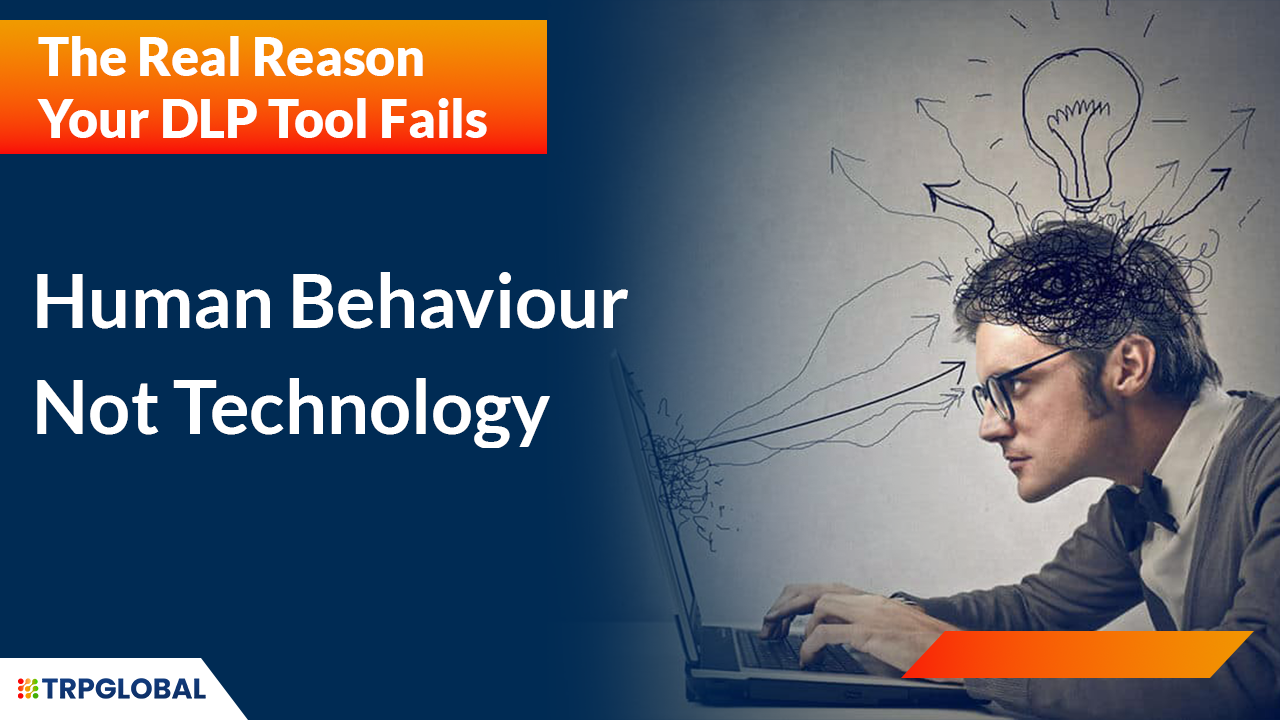
Behavioral signals are essential:
DLP won’t spot these user behavior analytics (UBA) will. When paired with DLP, UBA empowers teams to inspect why leaks occur, not just what is leaked.
DLP Isn’t Dead, But Needs a Reboot
DLP still matters for structured outbound data, compliance zones, and regulated data flows. But to truly secure modern work, you must:
Reboot your DLP stack with: UBA, Shadow IT monitoring, context-aware policies, and a robust training loop.
Traditional DLP operates like a trap: wait, catch, block. But in modern environments, that approach leads to employee frustration, false positives, and ticket overload. Instead, treat DLP as a coaching mechanism. When an employee tries to email a customer file outside the organization, show them why it's risky. Educate, don’t just enforce. Build a culture of secure decision-making rather than one ruled by silent gatekeeping.
With generative AI becoming a part of everyday workflows, DLP solutions are facing a new challenge: contextless sharing. Employees are pasting internal documents into ChatGPT, Copilot, or other LLMs tools that aren’t covered by traditional endpoint monitoring. This introduces a massive data exposure vector that’s nearly invisible to legacy DLP. If your tool isn’t trained to detect AI-assisted workflows, you’re already behind.
The future of data loss prevention isn’t about reacting to violations it’s about predicting them. Modern security stacks must shift to behavioral forecasting: detecting subtle signals that precede a breach. For instance, an employee preparing to resign might download large amounts of customer data days in advance. With the right telemetry and UBA in place, you can prevent leaks before they happen not just log them after the fact.

Your DLP tool didn’t fail it was never designed for modern human behavior. Let’s fix that. Contact us for a human-first DLP audit that uncovers the leaks your current stack is ignoring.

In our newsletter, explore an array of projects that exemplify our commitment to excellence, innovation, and successful collaborations across industries.