


Cybersecurity teams spend millions hardening their firewalls, patching vulnerabilities, and monitoring for intrusions. But what if the breach that takes down your business never even touches your firewall? That’s exactly what’s happening with today’s supply chain attacks where the weakest link isn’t your internal network, but the third-party vendors, partners, and SaaS platforms you depend on every single day.
Unlike traditional cyberattacks, supply chain breaches exploit trust instead of brute force. Attackers compromise legitimate software updates, vendor portals, or cloud-based tools, letting them slip through your defenses undetected. The infamous SolarWinds Orion attack is the classic example hackers piggybacked on trusted updates, giving them access to government and enterprise networks worldwide.
Your firewall didn’t fail. Your endpoint detection didn’t misfire. Instead, the malicious code came through the “trusted” pipeline you allowed in.
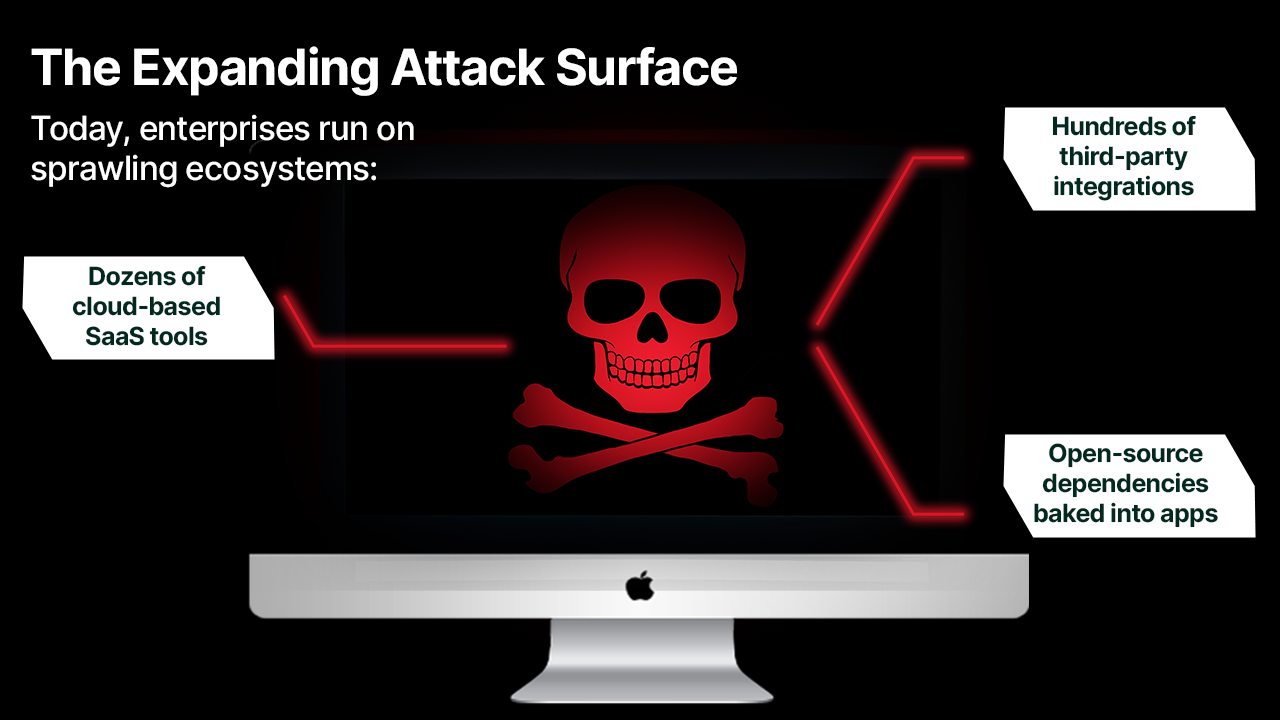
Today, enterprises run on sprawling ecosystems:
Every one of these extends your attack surface. According to Gartner, by 2026, 45% of organizations worldwide will experience an attack on their software supply chain, a threefold increase from 2021.
Your firewall was built to keep attackers out. But in supply chain breaches, attackers are already inside, wearing the badge of a trusted vendor.
Most companies still treat vendor relationships as binary: either trusted or untrusted. But cybercriminals know how to weaponize that trust. A compromised vendor can deliver malicious payloads straight into your environment under the guise of routine updates.
Consider this: in 2023, MOVEit’s file transfer software was compromised, exposing data across hundreds of enterprises and government agencies. Customers weren’t negligent they were simply doing business with a trusted vendor.
The breach didn’t start in your infrastructure. It started in theirs.
Firewalls, intrusion detection systems, and endpoint protections are designed to stop external threats. But if the “threat” comes wrapped inside a digitally signed update or through a legitimate API connection, these defenses are blind.
It’s like locking your front door while the burglar sneaks in through a package delivered by a trusted courier.
Here’s how attackers weaponize the supply chain:
The trend is clear: attackers no longer waste time brute-forcing hardened networks. They go for the easier target of your supply chain.
Most enterprises rely on compliance-based vendor assessments annual questionnaires, certifications, and audits. While important, they create a false sense of security. Attackers exploit gaps between audits, knowing real-time monitoring rarely extends to third-party environments.
Ponemon Institute found that 54% of organizations had a breach caused by third parties, yet only 34% track third-party security in real time. That’s the gap attackers love.
So how do you defend against what doesn’t hit your firewall? It requires a layered strategy:
Don’t rely on annual audits. Invest in tools that provide real-time visibility into vendor risks, including dark web monitoring for leaked credentials and vulnerability tracking.
Apply “never trust, always verify” to vendors as well. Segment networks so vendor access is limited to what’s strictly necessary.
Require vendors to provide SBOMs so you can track dependencies and spot vulnerabilities quickly.
Don’t blindly trust updates sandbox and test them before deployment.
Have clear steps for when not if a vendor is breached.
Supply chain attacks don’t just steal data. They shatter customer trust, disrupt business continuity, and create regulatory headaches. In the MOVEit breach, organizations scrambled not just to patch systems, but to notify customers, regulators, and the public all while facing lawsuits.
Cyber insurers are also tightening requirements, raising premiums, or outright excluding supply chain-related claims. The financial and reputational costs are growing.
Vendors are run by people, and people make mistakes. Weak passwords, phishing clicks, or insider threats at a supplier can open the door to your network. This is why cybersecurity isn’t just a technology challenge it’s a trust and accountability challenge.
Looking ahead, attackers are setting their sights on:
The battlefield is shifting fast. Firewalls will matter less than the visibility and trustworthiness of your entire ecosystem.
Your firewall won’t save you from the next supply chain breach. But proactive risk management will.
It’s time to stop thinking about security as “inside” vs. “outside.” The perimeter has dissolved. The real battle is in the chain of trust stretching across every partner, vendor, and dependency you rely on. Contact us today to assess your vendor ecosystem and build resilience against the breaches you’ll never see coming.

In our newsletter, explore an array of projects that exemplify our commitment to excellence, innovation, and successful collaborations across industries.