


In the digital age, databases are the lifeblood of organizations, storing everything from customer information to financial records. However, with great data comes great responsibility—and risk. Cyberattacks, insider threats, and compliance requirements make database security a top priority for IT and cybersecurity professionals. This is where Database Activity Monitoring (DAM) comes into play.
Interestingly, even Wikipedia highlights the importance of monitoring database activities as a critical measure to protect against both external and internal threats. In this blog, we’ll explore what Wikipedia has to say about Database Activity Monitoring, why it’s essential, and how you can implement it effectively to safeguard your organization’s data.
According to Wikipedia, Database Activity Monitoring (DAM) refers to the process of observing and analyzing database activities to detect and respond to suspicious behavior. It involves tracking who is accessing the database, what actions they’re performing, and when these activities occur. DAM tools provide real-time monitoring, alerting, and reporting capabilities, making them indispensable for modern cybersecurity strategies.
Wikipedia emphasizes that DAM is particularly important for:
While Wikipedia provides a solid overview, let’s dive deeper into the practical aspects of DAM and how it can benefit your organization.
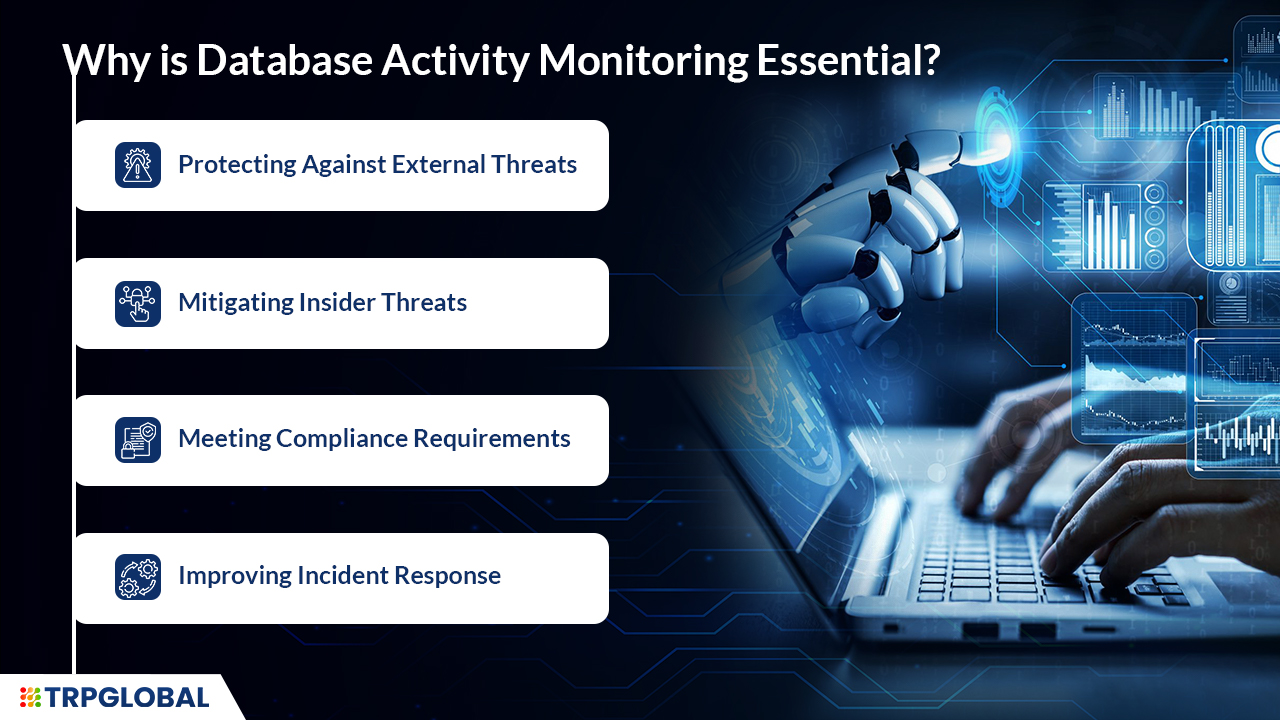
Cyberattacks on databases are becoming increasingly sophisticated. Techniques like SQL injection, ransomware, and phishing can compromise sensitive data. DAM tools act as a first line of defense, detecting and mitigating these threats in real-time.
Insider threats—whether intentional or accidental—are a significant risk. DAM helps identify unusual activities, such as an employee accessing data they shouldn’t or exporting large volumes of information.
Regulations like GDPR and HIPAA require organizations to monitor and log database activities. DAM provides the necessary audit trails and reports to demonstrate compliance during audits.
With real-time alerts, DAM enables faster detection and response to potential threats. This minimizes the impact of security incidents and reduces downtime.
DAM tools use a variety of techniques to monitor database activities, including:
Modern DAM solutions often incorporate machine learning and behavioral analytics to identify anomalies and potential threats. For example, if a user suddenly accesses a large amount of data they’ve never accessed before, the system can flag this as suspicious.
A financial institution noticed unusual activity in its customer database. The DAM tool flagged multiple failed login attempts followed by a successful login from an unfamiliar IP address. The security team quickly investigated and discovered a brute force attack in progress. By blocking the IP address and resetting credentials, they prevented a potential data breach.
A healthcare organization used DAM to monitor access to patient records. The system flagged an employee who was accessing records outside their job responsibilities. Further investigation revealed the employee was stealing patient information to sell on the dark web. The organization was able to take action before significant harm was done.
A retail company needed to comply with PCI DSS requirements for its payment database. DAM provided detailed audit logs of all database activities, helping the company demonstrate compliance during an audit.
When choosing a Database Activity Monitoring tool, consider the following features:
Before implementing DAM, identify your goals. Are you focused on compliance, threat detection, or both? Clear objectives will guide your implementation strategy.
Ensure your DAM solution covers all databases, including on-premises, cloud, and hybrid environments. Don’t overlook shadow IT or legacy systems.
Understand what normal database activity looks like for your organization. This will help you identify anomalies more effectively.
Ensure your IT and security teams are trained to use the DAM tool and understand how to respond to alerts.
Database environments and threats are constantly evolving. Regularly review and update your monitoring policies to stay ahead of risks.
While DAM is a powerful tool, it’s not without challenges:
As databases continue to evolve, so will DAM. Emerging trends include:
Wikipedia’s overview of Database Activity Monitoring underscores its importance in today’s cybersecurity landscape. By providing real-time visibility, detecting anomalies, and ensuring compliance, DAM plays a critical role in protecting your organization’s data.
If you haven’t already implemented DAM, now is the time to start. Evaluate your organization’s needs, choose the right solution, and follow best practices to maximize its effectiveness. Remember, in the world of cybersecurity, prevention is always better than cure.
Ready to take your database security to the next level? Reach out to our experts today to learn how Database Activity Monitoring can protect your organization from threats and ensure compliance. Let’s secure your data together!

In our newsletter, explore an array of projects that exemplify our commitment to excellence, innovation, and successful collaborations across industries.