


Let’s get real for a second: Cybersecurity is complicated, but access controls? That’s where the rubber meets the road. If you’re a CIO, your job isn’t just to keep the lights on—it’s to protect the kingdom. And access controls? They’re the keys to the castle.
Yet, too often, they’re an afterthought.
In a world where breaches make headlines and compliance rules keep piling up, tightening up your access controls isn’t a nice-to-have. It’s a must. So let’s talk about why they matter and how you can get them right.
In simple terms: access controls decide who gets to do what in your IT environment. They're like bouncers at the door of your systems—only letting in the right people, at the right time, with the right permissions.
You’re essentially answering:
There are different flavors:
Bottom line: choose the model that fits your org size, complexity, and industry.
Let’s face it—sometimes the biggest threats aren’t hackers in hoodies, they’re people already inside your organization. Maybe they’re careless. Maybe they’re disgruntled. Either way, without proper access controls, they have too much freedom.
Case in point: A major finance firm accidentally gave 500 interns full access to sensitive data for two weeks. Yep. Two. Weeks.
Whether it’s SoX, GDPR, HIPAA, or whatever new acronym regulators throw at you—access controls are always front and center.
Miss the mark? Say hello to:
Even the best defenses can’t stop every breach. But access controls decide how bad the fallout is.
If an attacker gets into a user account with minimal access? Small headache.
But if that account has full admin rights and no oversight? That’s a company-wide crisis.
Zero Trust isn’t just a cybersecurity buzzword—it’s a strategy. And at its heart? Granular, dynamic access controls.
Zero Trust says: “Never trust, always verify.” Access control says: “Cool, now here’s exactly what they can do.”
Remember that healthcare org in 2023 that got hacked by a former employee? They still had access months after leaving. It wasn’t a fancy exploit. It wasn’t a nation-state. It was just sloppy offboarding.
Avoidable? Totally.
Fixable? Yep. Here’s how:
Map out job roles. Assign permissions based on what people need to do, not what they might need to do.
Multi-factor authentication is your backup plan when passwords fail—and they will.
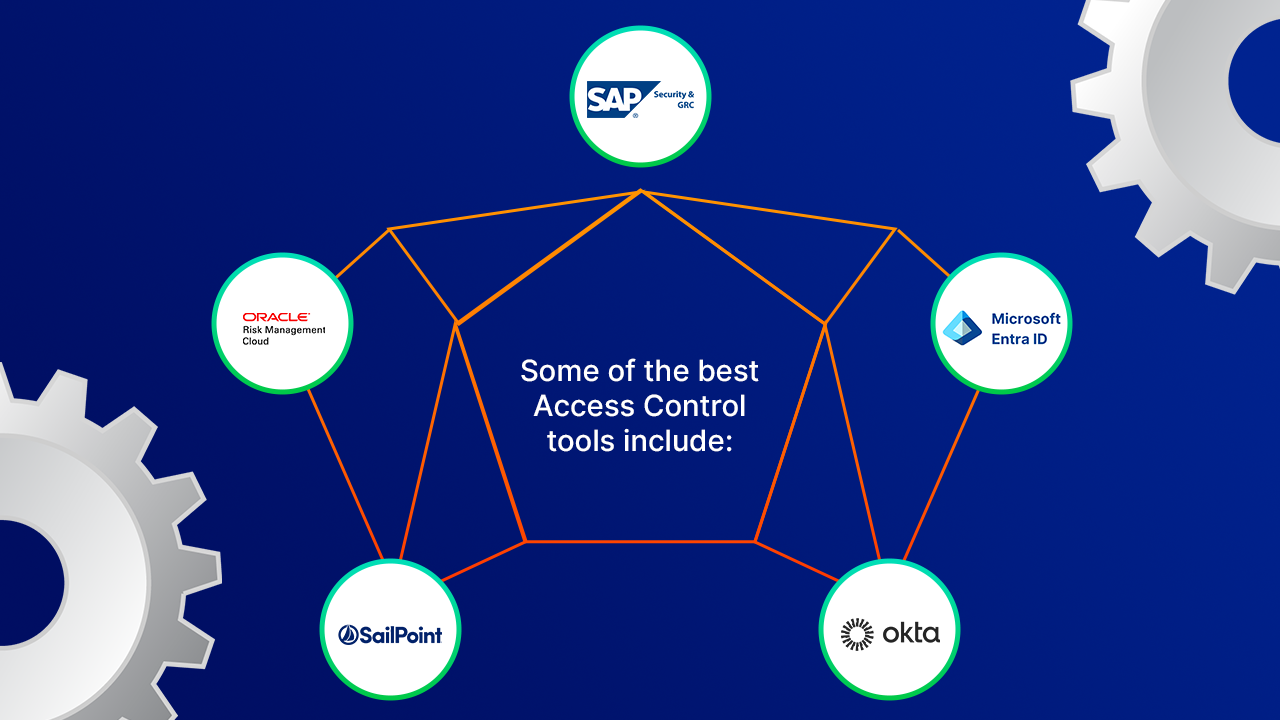
You’ve got too much on your plate for manual reviews. Let tech handle it. Tools like SAP GRC, Oracle Risk Management Cloud, and SailPoint can help.
No one person should have full control of critical workflows. Break it up. Create checks and balances.
Got accounts still active from folks who left six months ago? Shut. Them. Down.
Some of the best access control tools include:
These aren’t just buzzwords—they’re battle-tested in enterprise environments. Integrate them with your HR systems for clean user lifecycle management.
Still not convinced? According to Verizon’s 2024 Data Breach Investigations Report, 74% of breaches involved the human element — including privilege misuse and stolen credentials. Gartner also reports that by 2026, 60% of organizations will suffer from avoidable cloud misconfigurations due to weak access controls. And here's the kicker: IBM’s Cost of a Data Breach Report shows the average breach tied to compromised credentials costs businesses $4.62 million. These aren’t just IT issues — they’re business-ending risks if not handled properly.
Access controls impact:
And ultimately? Your brand reputation and bottom line.
This is about trust. Employees, customers, partners—they all expect you to get this right.
You can’t protect what you don’t control. And if you’re not controlling who has access to what, you’re playing with fire.
CIOs: Make access control a strategic priority—not a checkbox. Because in a world of growing threats and shrinking patience, the smartest play is to lock the doors before someone walks in.
Ready to Lock It Down? - Contact us to help you build a smarter, safer access control strategy. Contact us to get started.

In our newsletter, explore an array of projects that exemplify our commitment to excellence, innovation, and successful collaborations across industries.