


Imagine waking up to a world where your boss is an AI—a digital entity capable of analyzing data, making decisions, and optimizing workflows at lightning speed. As artificial intelligence continues to weave itself into the fabric of our workplaces, the question looms larger: will AI take your job, or will it empower you to become more valuable than ever? In this exploration of the future of work, we’ll dive into how AI is reshaping roles, creating new opportunities, and what it means for IT and cybersecurity professionals navigating this transformative landscape.
Historically, technological advancements have reshaped the workforce. From the Industrial Revolution to the digital age, each leap in technology has altered job functions and created new opportunities. Today, AI is poised to redefine work once again, but this time with a unique twist—AI is not just a tool; it has the potential to act as a collaborator.
AI can be viewed through two lenses: as a replacement for certain job functions and as a catalyst for enhancing human capabilities. Understanding this duality is essential for professionals looking to thrive in the evolving job market.
Certain roles are more susceptible to automation due to the repetitive nature of their tasks. According to a report by McKinsey, approximately 30% of tasks in about 60% of jobs could be automated. Examples of jobs that may face significant disruption include:
While some jobs may be at risk, it's essential to recognize that many roles will evolve rather than disappear. For instance, customer service representatives may transition into more complex roles focused on relationship management and problem-solving rather than routine inquiries.
Rather than solely replacing jobs, AI has the potential to augment human capabilities. By automating mundane tasks, employees can focus on higher-level responsibilities that require creativity, critical thinking, and emotional intelligence.
As AI transforms existing roles, it also creates new opportunities that require advanced skills. Professionals who embrace continuous learning and adapt to new technologies will find themselves in high demand.
To remain competitive in an AI-driven job market, professionals must prioritize continuous learning. This includes:
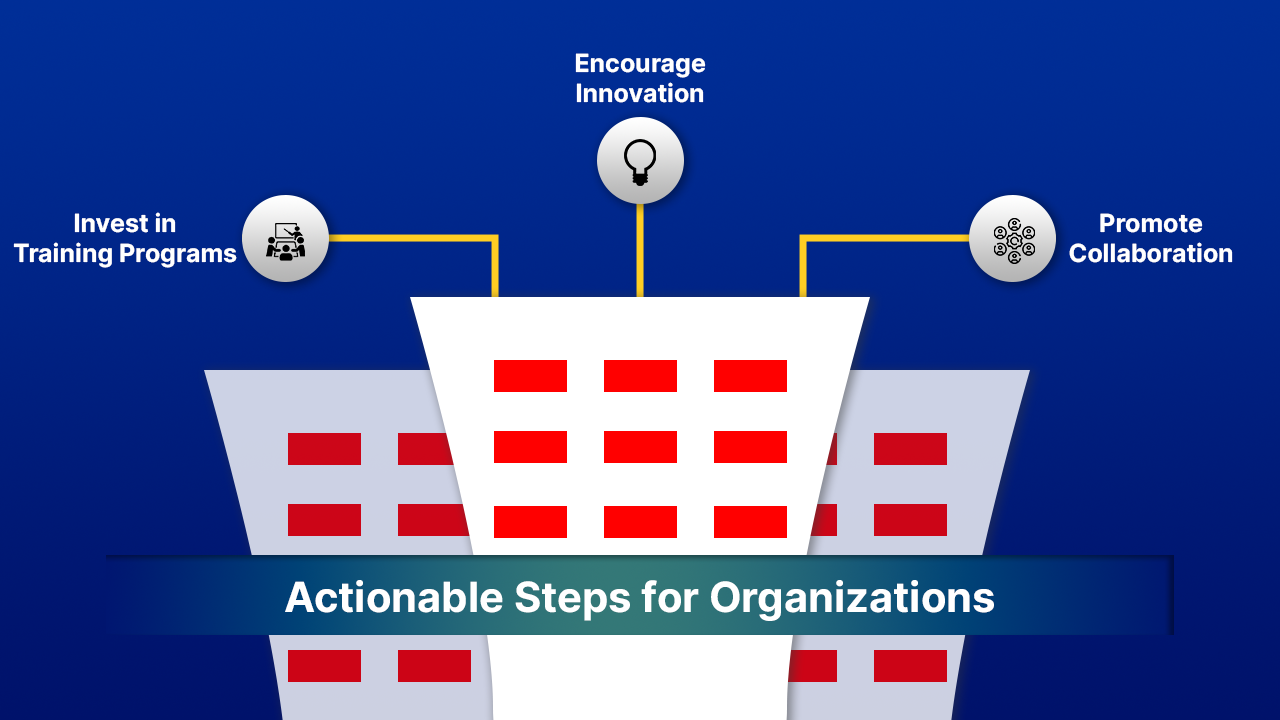
The ability to adapt to change is crucial in an evolving job landscape. Organizations that foster a culture of agility will be better positioned to navigate disruptions caused by AI.
As organizations increasingly rely on AI systems for decision-making, ethical considerations become paramount. Issues such as bias in algorithms, transparency in decision-making processes, and accountability for outcomes must be addressed proactively.
Organizations should develop clear guidelines regarding the ethical use of AI within their operations. This includes:
The future of work is undeniably intertwined with artificial intelligence. While concerns about job displacement are valid, it’s essential to recognize that AI also presents opportunities for enhanced productivity and new career paths. By embracing lifelong learning, fostering adaptability, and addressing ethical considerations proactively, IT and cybersecurity professionals can position themselves as valuable assets in an increasingly automated world.
As we navigate this transformative landscape together, Contact us for staying informed about developments in AI technology will be crucial for thriving in tomorrow's workforce.

In our newsletter, explore an array of projects that exemplify our commitment to excellence, innovation, and successful collaborations across industries.