

%20(1).png)
As we approach 2025, the landscape of IT risk management is changing rapidly. Organizations must adapt to new technologies, regulatory changes, and emerging threats. Understanding these trends is crucial for businesses to stay ahead and effectively manage risks. In this blog, we will explore the key trends shaping the future of IT risk management and how organizations can prepare for them.
To navigate the complexities of IT risk management, it’s essential to grasp its significance and current state.
IT risk management involves identifying, assessing, and mitigating risks associated with information technology systems. This process is vital for protecting an organization’s assets, data, and reputation. As technology continues to advance, the complexity of managing these risks increases.
Today, many organizations face challenges in managing risks effectively. With the rise of cyber threats, data breaches, and compliance requirements, businesses must adopt proactive strategies to safeguard their operations.
As we look ahead, several key trends are expected to shape IT risk management in 2025.
AI and machine learning are transforming how organizations approach risk management. By analysing vast amounts of data, these technologies can identify patterns and predict potential threats before they occur. This proactive approach allows organizations to respond more quickly and effectively to emerging risks.
As organizations adopt more flexible work environments, cybersecurity mesh architecture is gaining traction. This approach allows for a more modular security framework that can adapt to various environments and devices. It enables organizations to secure their assets regardless of location or network.
In 2025, we can expect significant changes in regulations affecting IT risk management. Organizations will need to stay informed about new data privacy laws and cybersecurity mandates to ensure compliance. Failing to do so can result in hefty fines and reputational damage.
The shift to remote work has introduced new security challenges for organizations. As employees access company resources from various locations, it becomes crucial to implement robust security measures that protect sensitive data while allowing flexibility.
Supply chain vulnerabilities have become a major concern for organizations. In 2025, businesses will need to prioritize managing risks associated with third-party vendors and partners. This includes conducting thorough assessments of their security practices and ensuring compliance with relevant regulations.
With growing concerns about data privacy, organizations will need to implement stricter measures to protect personal information. This trend will involve adopting technologies that enhance data encryption and access controls while ensuring compliance with evolving regulations.
Blockchain technology is poised to play a significant role in IT risk management by providing enhanced security and transparency. Organizations can leverage blockchain for secure transactions, identity verification, and data integrity, reducing the risk of fraud and data breaches.
The zero trust security model emphasizes that no one should be trusted by default—whether inside or outside the organization’s network. In 2025, more organizations will adopt this approach to enhance their security posture by continuously verifying user identities and access permissions.
As cyber threats become more prevalent, organizations are increasingly turning to cyber insurance as a way to mitigate financial risks associated with cyber incidents. This trend will continue as businesses recognize the importance of protecting themselves against potential losses.
Organizations will shift towards continuous risk assessment practices rather than relying solely on periodic evaluations. This proactive approach allows businesses to identify vulnerabilities in real-time and respond effectively before issues escalate.
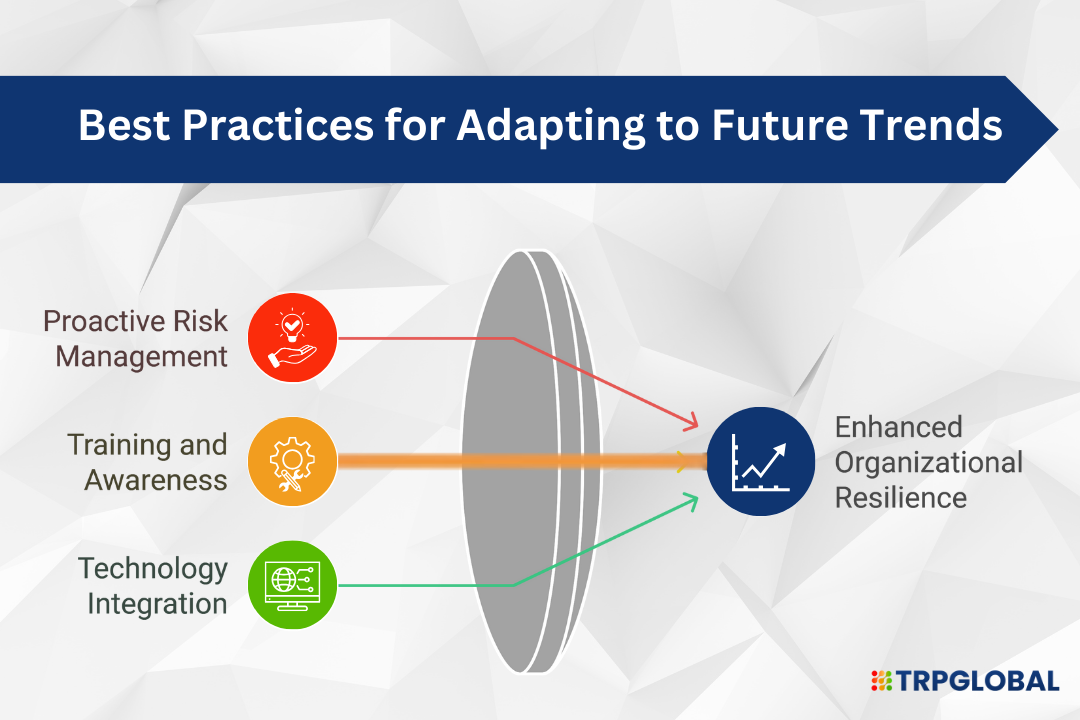
To thrive in the evolving landscape of IT risk management, organizations must adopt several best practices.
To thrive in the evolving landscape of IT risk management, organizations must develop proactive strategies that address emerging trends head-on. This includes regularly assessing their risk management frameworks and making necessary adjustments.
Educating employees about new risks and security practices is essential for creating a culture of awareness within the organization. Regular training sessions help ensure that staff members understand their roles in maintaining security.
Organizations should invest in tools that support effective risk management practices. This includes adopting advanced analytics platforms that provide insights into potential threats and vulnerabilities.
Examining successful implementations can provide valuable insights into building trust in AI systems.
Several organizations have successfully navigated the changing landscape of IT risk management by adopting best practices:
Utilizing the right tools can enhance the reliability of AI systems in IT risk management.
Implementing effective governance frameworks helps ensure ethical use of AI technologies while building trust among stakeholders.
SIEM tools play a vital role in monitoring security events across an organization’s network in real-time, helping identify potential threats quickly.
Organizations should track specific metrics related to trustworthiness to evaluate the effectiveness of their risk management strategies:
The future of IT risk management is filled with opportunities as well as challenges. By staying informed about emerging trends such as AI adoption, cybersecurity mesh architecture, regulatory changes, remote work challenges, supply chain risks, enhanced data privacy measures, blockchain integration, zero trust models, cyber insurance investment, and continuous assessment practices, organizations can position themselves for success in 2025 and beyond.
Contact us today to start your journey toward a more secure future!

In our newsletter, explore an array of projects that exemplify our commitment to excellence, innovation, and successful collaborations across industries.