


Social media has transformed how businesses interact with their customers, promote their products, and build their brand identities. However, this powerful tool also comes with significant risks—especially regarding reputation management. A single negative comment or viral post can lead to a reputational crisis that could take years to recover from. So, how can businesses effectively manage their reputation in this fast-paced online environment? Let’s dive into the key aspects of social media risk management and explore practical strategies to protect your brand.
Reputation risk refers to the potential loss a company faces due to negative public perception. In the realm of social media, this risk is amplified. According to the World Economic Forum, more than 25% of a company’s market value is directly attributable to its reputation. This staggering statistic highlights just how crucial it is for businesses to actively manage their online presence.
Social media platforms allow for rapid communication and information sharing, which can be both a blessing and a curse. A well-timed marketing campaign can go viral and significantly enhance your brand’s visibility. Conversely, a poorly handled customer complaint or an inappropriate post can spiral out of control, leading to public backlash. For instance, consider the case of a major airline that faced intense scrutiny after a video of a passenger being forcibly removed from an overbooked flight went viral. The company’s delayed response exacerbated the situation, resulting in long-lasting reputational damage.
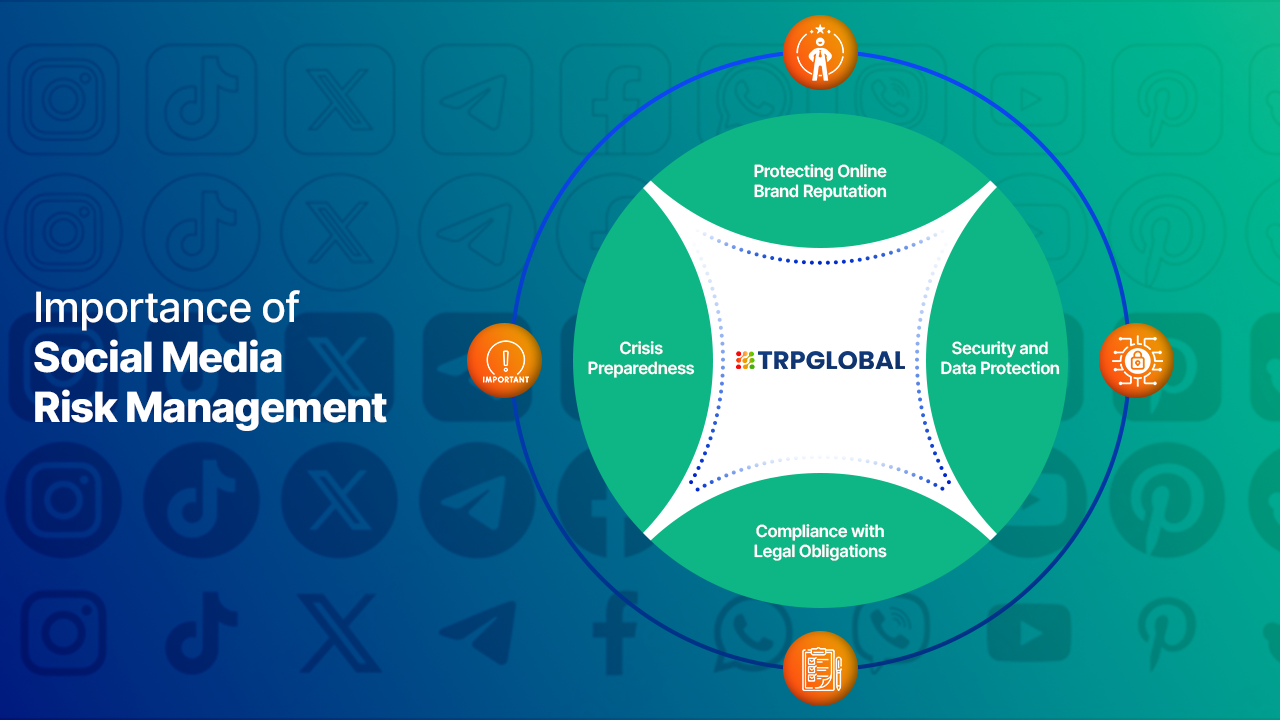
Effective social media risk management is essential for protecting your brand's reputation. Here are some key reasons why:
To safeguard your brand's reputation on social media, consider implementing the following strategies:
A well-defined social media policy sets guidelines for employees on how to represent the company online. It should outline acceptable behavior, confidentiality requirements, and the distinction between personal and professional use of social media. This helps ensure that employees understand the implications of their online actions.
Regular audits of your social media presence are essential for identifying potential risks and areas for improvement. Assess your profile information, content quality, security settings, and monitor brand mentions across platforms. This proactive approach allows you to address inconsistencies before they become larger issues.
Utilizing social listening tools enables businesses to monitor conversations about their brand in real-time across various digital platforms. This allows for swift identification of potential reputation risks and helps companies respond proactively before issues escalate.
When facing a crisis or negative publicity, transparency is key. Keeping communication open and honest with your audience builds trust and credibility. If something goes wrong, acknowledge it quickly and outline steps you’re taking to address the issue.
Having a dedicated team trained in crisis management is crucial for responding effectively during emergencies. This team should be well-versed in communication strategies and equipped to handle negative press or customer complaints swiftly.
Keeping an eye on competitors’ social media activities can provide valuable insights into industry trends and help identify potential threats or opportunities for your brand.
Several companies have successfully navigated reputational challenges through effective social media risk management:
One exciting aspect of managing reputation risk is the opportunity it presents for innovation within your organization. By encouraging employees at all levels to contribute ideas related to customer engagement and brand representation online, you foster a culture of creativity that can enhance your overall strategy. This collaborative approach not only improves problem-solving but also empowers teams to take ownership of their roles in driving change.
Additionally, leveraging customer feedback has never been more critical. Engaging with customers through surveys or social media can provide invaluable insights into their evolving needs and preferences. By actively listening and adapting based on this feedback, businesses can create products and services that resonate deeply with their audience—ultimately leading to increased loyalty and market share.
In recent years, influencers have become powerful voices in shaping public perception on social media platforms. Collaborating with influencers who align with your brand values can enhance your reputation positively when done right; however, it also comes with inherent risks if an influencer becomes embroiled in controversy or fails to represent your brand appropriately.
To mitigate these risks, it's essential to conduct thorough research before partnering with any influencer. Ensure they have a positive track record and share similar values as your brand; this alignment will help maintain credibility while avoiding potential pitfalls associated with influencer marketing gone wrong.
Managing reputation risk on social media is more critical than ever as businesses navigate an increasingly connected world. With the potential for rapid communication comes the responsibility to protect your brand's image actively. By implementing effective social media risk management strategies—such as developing comprehensive policies, conducting regular audits, investing in social listening tools, fostering transparency, training crisis teams, monitoring competitors' activities, and carefully selecting influencers—businesses can navigate challenges while safeguarding their reputation.
Are you ready to take control of your brand's online presence? Contact us today for expert guidance on managing your social media risks!

In our newsletter, explore an array of projects that exemplify our commitment to excellence, innovation, and successful collaborations across industries.