


As organisations increasingly rely on integrated systems to streamline operations and enhance efficiency, securing data flows becomes paramount—especially when combining powerful platforms like Oracle and SAP in a cloud environment. With the rise of cyber threats, understanding best practices for securing these integrations is essential to protect sensitive data and maintain compliance.
Integrating Oracle and SAP systems enables organizations to harness the strengths of both platforms, facilitating seamless data exchange and improved decision-making. However, this integration also exposes organisations to various cybersecurity risks, including data breaches, unauthorized access, and compliance violations. According to recent studies, nearly 60% of organizations have experienced a data breach due to inadequate security measures during integration processes.
To mitigate these risks, it’s crucial to implement robust security practices that safeguard data flows between Oracle and SAP systems. This blog outlines key strategies for ensuring secure integration while maximizing the benefits of these powerful platforms.
The first line of defense in securing data flows is robust authentication. organisations should adopt multi-factor authentication (MFA) for all users accessing integrated systems. MFA adds an extra layer of security by requiring users to provide two or more verification factors before gaining access. This significantly reduces the risk of unauthorized access and enhances overall security.
Best Practices:
Data transmitted between Oracle and SAP systems must be protected from interception and tampering. Utilizing secure communication protocols such as SSL/TLS is essential for encrypting data in transit. This ensures that sensitive information remains confidential and integral while being transmitted across networks.
Best Practices:
Encrypting sensitive data both at rest and in transit is vital for protecting information from unauthorized access. This practice ensures that even if data is intercepted or accessed without authorization, it remains unreadable without the appropriate decryption keys.
Best Practices:
Keeping software up to date is crucial for maintaining security. Both Oracle and SAP regularly release updates and patches that address known vulnerabilities. organizations must establish a robust patch management process to ensure that their systems are always running the latest versions.
Best Practices:
Implementing comprehensive logging and monitoring mechanisms allows organisations to detect suspicious activities in real-time. By analyzing logs from both Oracle and SAP systems, organisations can identify potential security incidents early on and respond promptly.
Best Practices:
Regular security audits are essential for identifying vulnerabilities within integrated systems. These audits help organisations assess their security posture, ensuring that best practices are being followed effectively.
Best Practices:
Human error remains one of the leading causes of data breaches. To mitigate this risk, organisations must invest in employee training programs that educate staff about cybersecurity best practices, particularly regarding the use of integrated systems.
Best Practices:
Despite best efforts, breaches can still occur. Having a well-defined incident response plan allows organisations to respond swiftly and effectively to minimize damage when a security incident arises.
Best Practices:
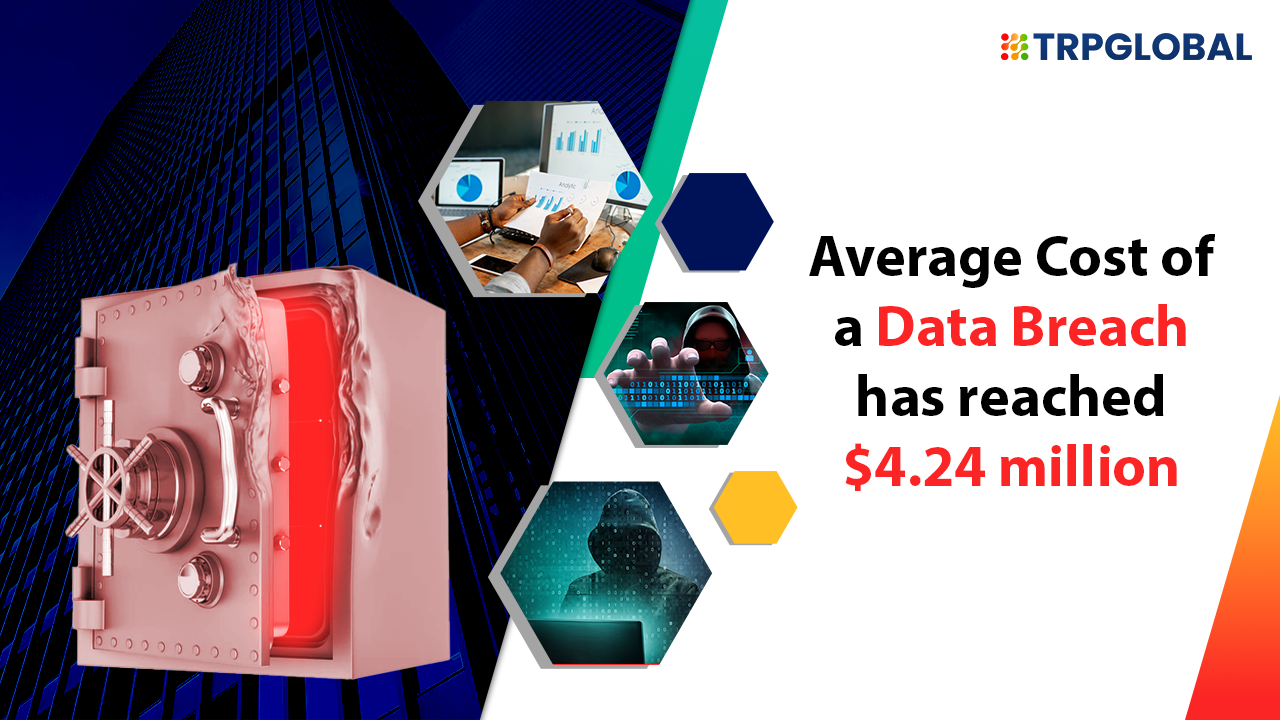
The urgency of securing data flows between Oracle and SAP systems is underscored by alarming statistics. According to a recent report by IBM, the average cost of a data breach has reached $4.24 million, with organisations facing significant financial and reputational damage as a result. Furthermore, a survey conducted by Cybersecurity Insiders found that 70% of IT professionals believe that integrating multiple systems increases the risk of cyber threats. As businesses increasingly adopt hybrid environments and cloud solutions, these figures highlight the critical need for robust security measures.
Integrating Oracle and SAP systems in a cloud environment offers significant benefits but also presents unique cybersecurity challenges. By implementing these best practices—strong authentication mechanisms, secure communication channels, data encryption, regular updates, comprehensive logging, employee training, and incident response planning—organizations can enhance their cybersecurity posture while enjoying the advantages of seamless integration.
If you're looking to secure your data flows during Oracle-SAP integration or need tailored solutions for your organization’s specific needs, contact us today! Our team of experts is ready to help you build a robust cybersecurity framework designed for your unique environment.

In our newsletter, explore an array of projects that exemplify our commitment to excellence, innovation, and successful collaborations across industries.