


Imagine this: In 2023, Salt Typhoon's attacks cost U.S. telecoms over $1.2 billion in direct losses and operational downtime. That's enough money to fund a small nation's cybersecurity budget for a decade. We're living in an era where cyber warfare isn't just about stealing credit card numbers anymore—it's about nation-states like China using groups like Salt Typhoon to infiltrate our most critical systems.
These aren't your average hackers. We're talking about sophisticated operations targeting the very backbone of our digital infrastructure. The question isn't whether your organization will be targeted—it's when. And how prepared will you be when that day comes?
Salt Typhoon isn't some random group of hackers operating out of a basement. This is a well-organized, state-sponsored advanced persistent threat (APT) group believed to be operated by China's Ministry of State Security (MSS). Their operations place an emphasis on counterintelligence targets in the United States and data theft of key corporate intellectual property.
The group has infiltrated targets in dozens of other countries on nearly every continent. Former NSA analyst Terry Dunlap has described the group as a "component of China's 100-Year Strategy." What does that mean for businesses? It means we're not just dealing with criminals looking for quick cash—we're facing a strategic, long-term threat designed to undermine economic and national security.
Think about it—telecom networks and government systems are the lifeblood of modern society. They control everything from emergency response systems to national defense communications. For Salt Typhoon, these aren't just targets—they're goldmines of intelligence.
The strategic value of telecom networks for intelligence gathering can't be overstated. These systems handle massive amounts of data every second, including sensitive communications between government officials, corporate leaders, and even military personnel. Salt Typhoon exploits legacy systems and 5G vulnerabilities to gain access to these treasure troves of information.
Let's take a look at how Salt Typhoon operated in the 2023 Verizon breach. The group infiltrated Verizon's network undetected for months, using a combination of stolen credentials and known vulnerabilities in Cisco networking devices.
Their specific TTPs (Tactics, Techniques, Procedures) included:
The lessons learned from this breach are clear: traditional security measures aren't enough against adversaries like Salt Typhoon. Organizations need to adopt more sophisticated detection and response capabilities.
When threats of this magnitude emerge, government agencies step in with guidance. The CISA and FBI have released specific recommendations for defending against Salt Typhoon, including:
These recommendations aren't just suggestions—they're survival strategies in today's threat landscape.
Salt Typhoon's toolset is impressive, to say the least. They've been observed using:
Their exploitation techniques include:
Traditional signature-based detection simply can't keep up with Salt Typhoon's sophistication. These attackers use fileless malware and other techniques that leave no traditional signatures behind.
AI-driven threat hunting offers a game-changing advantage:
Behavioral analytics implementation frameworks should include:
Looking ahead, the risks are only growing. Emerging vulnerabilities in 5G infrastructure present new opportunities for Salt Typhoon to exploit. The complexity of these networks makes them particularly challenging to secure.
Predictive analytics will become increasingly important for threat anticipation. Organizations need to:
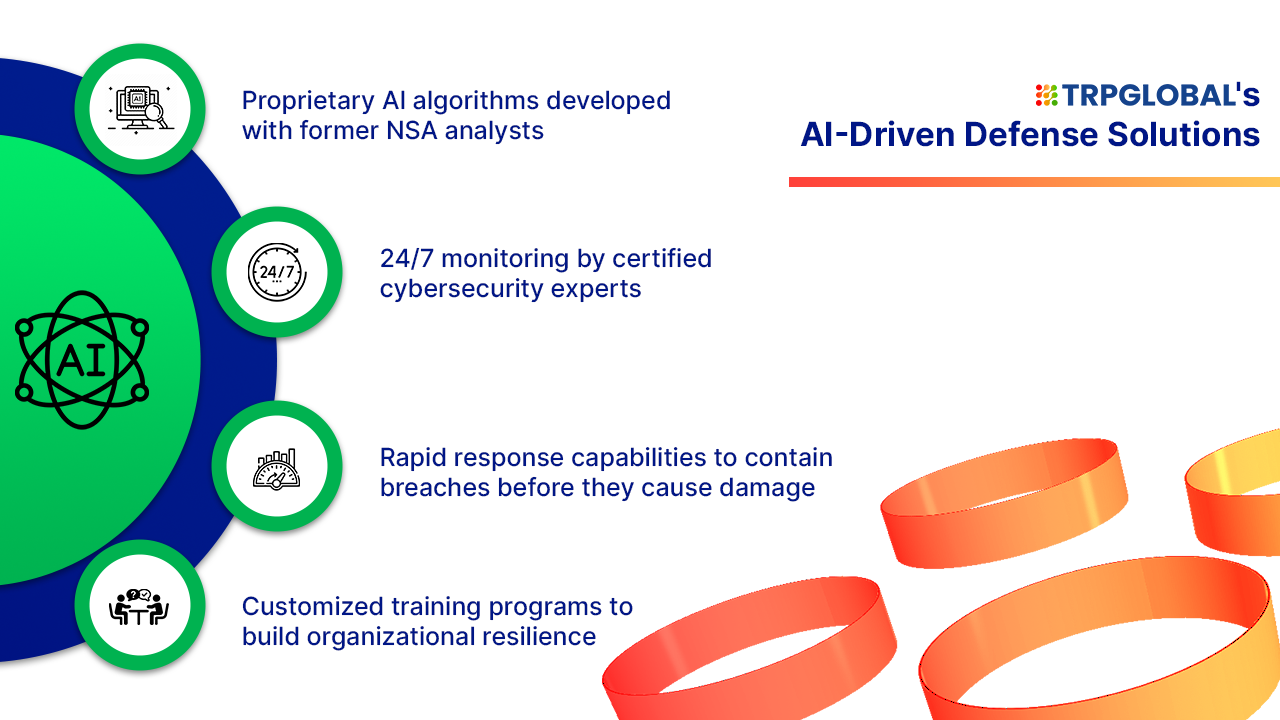
At TRPGLOBAL, we've developed AI tools that detected 98% of APT attacks in 2024. Our approach isn't about adding more layers of complexity—it's about smart defense.
Our tailored cybersecurity solutions for critical infrastructure include:
Don't wait until Salt Typhoon compromises your systems. Contact us and get Cyber Experts today for a free 30-minute cyber risk assessment. Our experts have neutralized APTs for critical infrastructure clients since 2015, and we're ready to help you fortify your defenses before it's too late.
Every second counts—Salt Typhoon is already in your network. Arm your infrastructure with TRPGLOBAL's AI-driven cybersecurity solutions before they strike.

In our newsletter, explore an array of projects that exemplify our commitment to excellence, innovation, and successful collaborations across industries.