


Risk management is a critical component of organizational success. It involves identifying potential threats, assessing their impact, and developing strategies to mitigate them. Effective risk management not only helps in avoiding potential pitfalls but also ensures that the organization can seize opportunities and maintain a competitive edge.
However, the success of any risk management strategy hinges on clear, consistent, and effective communication. When communication breaks down, it can lead to misalignment, unresolved risks, and significant negative consequences. This blog post will delve into the impact of communication gaps in risk management and provide actionable insights to bridge these gaps.
Effective communication is the backbone of successful risk management. It ensures that all stakeholders are aligned, informed, and able to make proactive decisions. Communication in risk management involves several key aspects:
When communication is effective, it fosters a culture of collaboration and accountability, where everyone understands their role in managing risks. Conversely, when communication breaks down, it can lead to confusion, misalignment, and increased vulnerability to risks.
Communication gaps occur when there is a failure in the transmission or understanding of risk-related information. These gaps can arise due to several reasons:
One of the primary causes of communication gaps is inadequate training. Employees may lack the necessary skills to communicate risk information effectively. Without proper training, they may not know how to present complex risk data in a way that is easy to understand. This can lead to misinterpretation and misunderstanding, ultimately affecting the effectiveness of risk management strategies.
In today's globalized business environment, organizations often operate across different regions and cultures. Cultural differences can significantly impact how risk information is interpreted and understood. For example, what might be considered a high-risk situation in one culture could be seen as manageable in another. This can lead to inconsistencies in risk perception and management, making it difficult to align strategies across the organization.
Another common issue is information overload. In the age of big data, stakeholders are often bombarded with vast amounts of information. When there is too much information, it can be challenging to identify the critical details. Important risk-related data can get lost in the noise, leading to missed opportunities for proactive risk management.
Using complex terminology and technical language can obscure the message, making it difficult for non-specialists to understand. Risk management professionals often use specialized language that may not be familiar to other stakeholders. This can create a barrier to effective communication, leading to confusion and misalignment.
The consequences of communication gaps in risk management can be severe. Let's look at a couple of real-world examples to illustrate the impact:
A major financial institution faced significant regulatory fines due to poor communication between the risk management and compliance departments. The lack of coordination led to non-compliance with regulatory requirements. This not only resulted in financial penalties but also damaged the institution's reputation, leading to a loss of trust among customers and investors.
A construction project experienced delays and cost overruns because the team was unaware of underground electrical lines. This oversight could have been avoided with better communication about site conditions. The lack of clear information led to costly mistakes and project delays, impacting the overall success of the project.
The consequences of communication gaps include:
Several barriers can hinder effective risk communication. Understanding these barriers is the first step in addressing them:
Employees may not have the necessary skills to communicate risk information effectively. Without proper training, they may struggle to present complex data in a way that is easy to understand. This can lead to misinterpretation and misunderstanding, ultimately affecting the effectiveness of risk management strategies.
Organizations with a global footprint may struggle to ensure consistent interpretation of risk messages across different cultures. Cultural differences can significantly impact how risk information is perceived and understood. For example, what might be considered a high-risk situation in one culture could be seen as manageable in another. This can lead to inconsistencies in risk perception and management, making it difficult to align strategies across the organization.
Stakeholders can be overwhelmed by the volume of information, leading to critical details being overlooked. In the age of big data, there is often too much information available. When stakeholders are bombarded with vast amounts of data, it can be challenging to identify the critical details. Important risk-related data can get lost in the noise, leading to missed opportunities for proactive risk management.
Using complex terminology can make it difficult for non-specialists to understand risk information. Risk management professionals often use specialized language that may not be familiar to other stakeholders. This can create a barrier to effective communication, leading to confusion and misalignment.
Engaging stakeholders is crucial for effective risk management. When stakeholders are involved, they are more likely to support risk management strategies. Here are some best practices for stakeholder engagement:
Hold regular meetings to update stakeholders on risk management activities. These briefings should be clear, concise, and focused on the most critical risks. They should also provide an opportunity for stakeholders to ask questions and provide feedback.
Conduct workshops to educate stakeholders about risks and involve them in developing mitigation strategies. Interactive workshops can help stakeholders better understand the risks and their potential impact. They also provide a platform for stakeholders to share their insights and perspectives, leading to more effective risk management strategies.
Create channels for stakeholders to provide feedback and voice concerns. Feedback mechanisms can include surveys, suggestion boxes, and open forums. By actively seeking feedback, organizations can identify areas for improvement and address concerns before they escalate.
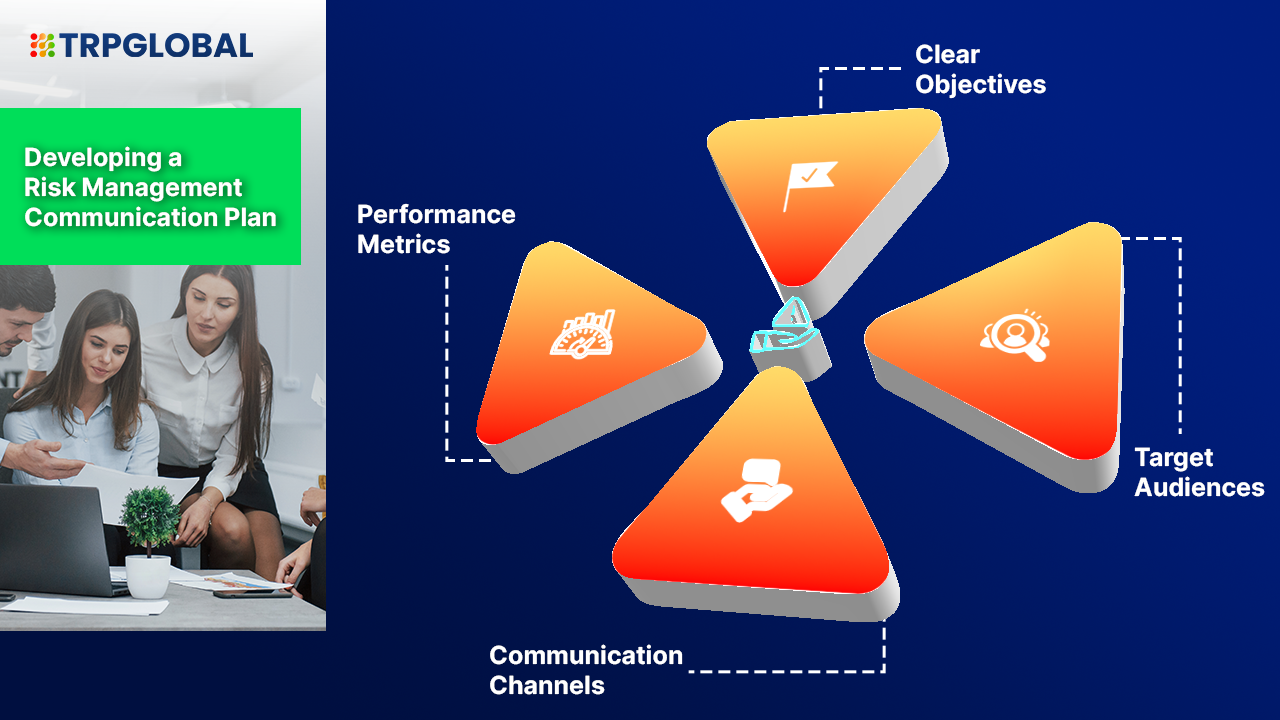
A well-structured communication plan is essential for effective risk management. Here are the key components of a robust communication plan:
Define what you want to achieve with your communication efforts. Clear objectives can help guide the development of your communication plan and ensure that it aligns with your overall risk management strategy.
Identify who needs to receive risk information and tailor the message accordingly. Different stakeholders may have different needs and preferences when it comes to risk information. By understanding these needs, you can develop targeted communication strategies that are more likely to be effective.
Choose the right channels for sharing information, such as emails, meetings, or dashboards. The choice of communication channels should be based on the preferences of your target audiences and the nature of the information being shared. For example, detailed risk assessments might be best shared through formal reports, while urgent updates might be more effectively communicated through email or instant messaging.
Establish metrics to measure the effectiveness of your communication plan. Performance metrics can help you assess whether your communication efforts are achieving their intended goals. They can also provide valuable insights into areas for improvement. Common metrics might include stakeholder satisfaction, the timeliness of information sharing, and the accuracy of risk assessments.
Improving communication in risk management requires a combination of training, technology, and clear strategies. Here are some practical solutions and best practices:
Invest in training programs to enhance communication skills and ensure that all stakeholders understand risk management processes. Training programs can help employees develop the skills they need to communicate risk information effectively. They can also provide valuable insights into best practices and emerging trends in risk management communication.
Utilize compliance management software and communication platforms to streamline information sharing. Technology can play a crucial role in improving communication efficiency and effectiveness. Compliance management software can help automate risk assessments and reporting, while communication platforms can facilitate real-time information sharing and collaboration.
Encourage feedback and open dialogue to address concerns and improve communication strategies. Two-way communication ensures that stakeholders feel heard and valued. It also provides an opportunity for organizations to gather valuable insights and address concerns before they escalate.
Monitor key performance indicators (KPIs) such as training completion rates and incident reporting to assess the effectiveness of communication efforts. By tracking these metrics, organizations can identify areas for improvement and make data-driven decisions to enhance their communication strategies.
Communication gaps in risk management can lead to significant consequences, but they can be mitigated through effective strategies and tools. By understanding the causes of these gaps and implementing practical solutions, organizations can improve their risk management processes. Remember, clear and consistent communication is key to ensuring that everyone is aligned and informed.
If you’re looking for ways to improve communication in your risk management processes, TRPGLOBAL can help. We offer a range of services designed to enhance communication and ensure that your risk management strategies are effective. To find out more, visit our Contact Us page and let’s start a conversation.

In our newsletter, explore an array of projects that exemplify our commitment to excellence, innovation, and successful collaborations across industries.