


Imagine this: You’re sitting at home, scrolling through your banking app, when suddenly your screen freezes. A message pops up: “Your account has been locked due to suspicious activity.” Your heart races. Was it that sketchy email you opened yesterday? Or the public Wi-Fi you used at the café? Now, imagine this scenario playing out 300,000 times a day globally. Cybercrime isn’t just a nuisance—it’s a $10.5 trillion problem, growing faster than the GDP of most countries.
Enter Mastercard. In October 2023, the payments giant dropped a bombshell: a $2.65 billion acquisition of Recorded Future, a cybersecurity firm known for its AI-driven threat intelligence. Why should you care? Because this isn’t just about credit cards—it’s about reshaping how the world fights digital crime. Let’s unpack why this deal matters, how it works, and what it means for your financial safety.
Think of Recorded Future as a 24/7 digital detective. It scrubs the darkest corners of the internet—dark web forums, hacker chat rooms, even social media—to predict cyberattacks before they happen. Using AI, it analyzes billions of data points to spot patterns humans would miss. For example, in 2022, it flagged a plot to hack a major U.S. bank’s servers three days before the attack, saving millions.
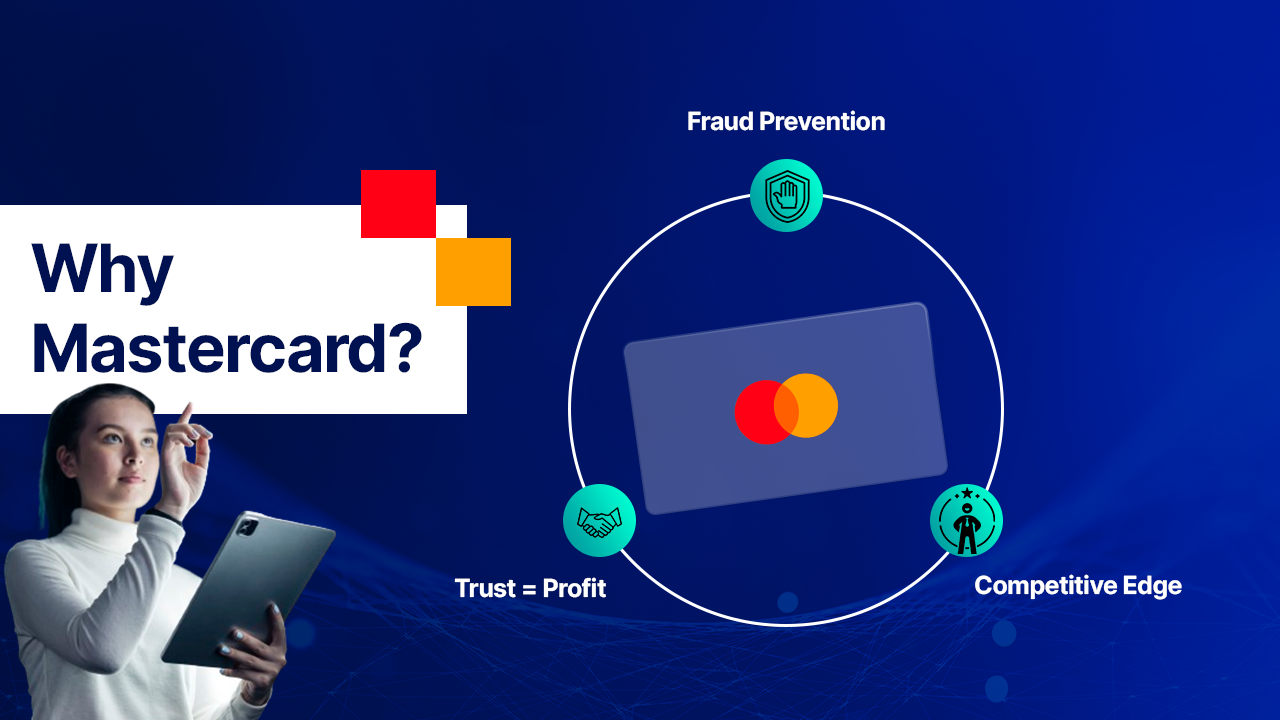
Mastercard isn’t just swiping right on cybersecurity for fun. Here’s the strategy:
Hackers aren’t teenagers in basements anymore. They’re organized gangs using AI to write malicious code. In 2023, 58% of financial institutions were hit by ransomware (IBM), locking systems until a ransom is paid.
Most companies use a patchwork of tools—firewalls here, antivirus there. It’s like having 10 locks on your door but forgetting to close the window.
Old-school security relies on rules like, “Block transactions over $10,000.” But hackers adapt faster than rulebooks update. Recorded Future’s AI learns from every attack, getting smarter with each attempt.
Mastercard’s move pressures rivals to step up. JPMorgan recently bought an AI startup for $1.3 billion, while PayPal is testing self-learning fraud detectors. For consumers, this means fewer sleepless nights over stolen data.
Mastercard plans to license Recorded Future’s tech to hospitals, governments, and retailers. Imagine a world where your local power grid predicts cyberattacks like weather forecasts.
Recorded Future’s tools scan public social media posts for threats. But what if they accidentally flag a meme about “hacking” exams as a cyber threat? Balancing surveillance and privacy is a tightrope walk.
Recorded Future’s team of 500 now answers to Mastercard’s 30,000 employees. Can they keep their innovative spark? Think of it like an indie band signing with a major label—will the music stay good?
In 2022, an AI tool wrongly flagged transactions from Middle Eastern banks as “high risk” 30% more often than others. Mastercard must ensure its algorithms don’t unfairly target regions or communities.
Mastercard’s $2.65 billion bet isn’t just about money—it’s about trust. In a world where a single data leak can tank a company’s stock, AI-driven security isn’t optional. Whether you’re a CEO or a coffee shop owner, the message is clear: adapt or get hacked.
Ready to Future-Proof Your Business? Let’s Chat! At TRPGLOBAL, we turn cybersecurity headaches into bulletproof strategies. Whether you’re fighting phishing scams or prepping for AI audits, we’ve got your back.

In our newsletter, explore an array of projects that exemplify our commitment to excellence, innovation, and successful collaborations across industries.