


Knowing when to reinvent your business can be the difference between thriving and merely surviving. As we move into 2025, many companies are facing new challenges and opportunities that require a fresh perspective. But how do you know when it’s time for a makeover? Let’s explore the signs that indicate your business might need a transformation and how effective risk management can guide this process.
Reinvention is not just about changing your product or service; it’s about adapting to new market conditions, consumer preferences, and technological advancements. Companies like Apple and Netflix have successfully navigated reinventions, transforming their business models to stay relevant. However, the journey isn’t without its risks. Recognizing when to make these changes is crucial for long-term success.
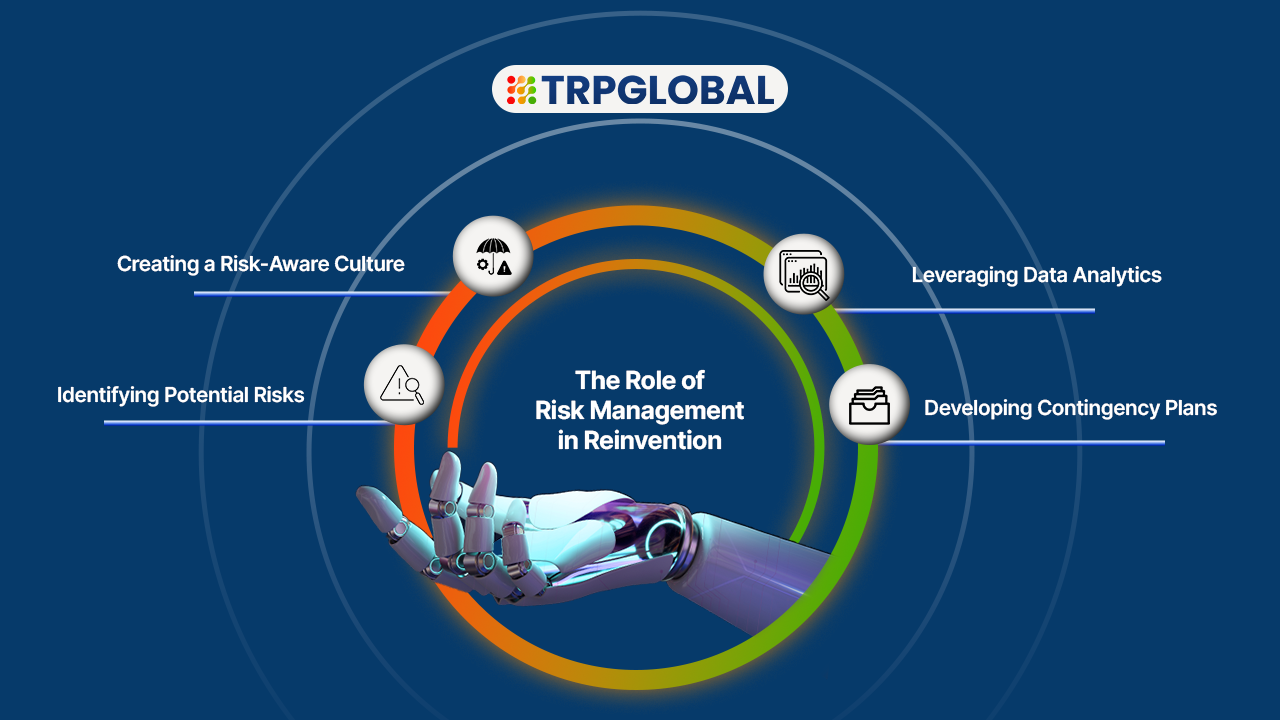
When considering a business makeover, effective risk management should be at the forefront of your strategy. Here’s how it plays a vital role:
Before embarking on a reinvention journey, it’s crucial to identify potential risks associated with the changes you plan to implement. This includes financial risks, operational disruptions, and reputational concerns. Conducting a thorough risk assessment will help you understand what challenges may arise during the transformation process.
For example, if you're launching a new product line, consider risks such as production delays or supply chain issues that could affect availability.
Fostering a culture of risk awareness within your organization empowers employees to identify potential challenges early on. Encourage open communication and collaboration across departments to ensure that everyone is aligned on risk management principles.
Hold regular meetings where team members can discuss potential risks related to ongoing projects or new initiatives. This proactive approach helps create an environment where everyone feels responsible for managing risk.
Utilizing data analytics can provide valuable insights into market trends and customer behavior, helping organizations make informed decisions about when to reinvent. By analyzing historical data and current market conditions, businesses can identify patterns that indicate the need for change.
For instance, tracking customer feedback through surveys or social media can reveal shifts in preferences that necessitate product adjustments or service enhancements.
Having contingency plans in place can help mitigate risks during the reinvention process. Consider various scenarios that could impact your transformation efforts and develop strategies to address them proactively.
If you're planning significant changes in operations or product offerings, outline steps for addressing potential setbacks—this could include alternative suppliers if supply chains are disrupted or backup plans for marketing strategies if initial campaigns don’t perform as expected.
Several companies have successfully navigated the tightrope between innovation and risk management:
These examples illustrate how successful reinventions often stem from recognizing both internal weaknesses and external opportunities while effectively managing associated risks.
Recognizing when it's time for a makeover is essential for any business looking to thrive in today’s competitive landscape. By paying attention to signs such as declining revenue, dwindling employee morale, stagnant innovation, changing consumer preferences, and increased competition, organizations can make informed decisions about reinvention.
Effective risk management plays a crucial role in this process by helping businesses identify potential challenges and develop strategies to navigate them successfully. As we move further into 2025, staying agile and open to change will be key drivers of success.
Are you ready to assess whether it's time for your business makeover? Contact us today for expert guidance on navigating your transformation journey!

In our newsletter, explore an array of projects that exemplify our commitment to excellence, innovation, and successful collaborations across industries.