I'm an ethical hacker. Yes, that's a real thing. No, I don't wear a black hoodie and lurk in dark basements (usually). My job is to break into systems, but with permission. Think of me as a professional lockpicker, except the locks are digital, and the goal isn't to steal, but to strengthen .
In this blog, I'll pull back the curtain on the world of ethical hacking, sharing insights, anecdotes, and a few "confessions" from the front lines. We’ll explore why ethical hacking is crucial in today's digital landscape, how it differs from malicious hacking, and what it takes to become a white-hat warrior.
What is Ethical Hacking?
Ethical hacking, also known as "white hat" hacking, involves using hacking techniques to identify vulnerabilities in computer systems, networks, or applications, with the explicit permission of the owner . The purpose is to assess security, identify weaknesses, and recommend improvements to protect against real-world attacks . It’s all about finding the holes before the bad guys do.
The Key Principles
Ethical hacking operates under a strict code of conduct :
Permission: Always obtain explicit permission from the system owner before conducting any security assessments .
Transparency: Clearly communicate findings and recommendations to the client, outlining the identified vulnerabilities and potential risks .
Confidentiality: Protect sensitive information discovered during the assessment and avoid disclosing it to unauthorized parties .
Legality: Adhere to all applicable laws and regulations while conducting hacking activities .
Why is Ethical Hacking Important?
In today's digital age, where businesses and individuals rely heavily on technology, the importance of ethical hacking cannot be overstated . Here's why it's so crucial:
Proactive Security: Ethical hacking allows organizations to proactively identify and address security vulnerabilities before they can be exploited by malicious hackers .
Risk Mitigation: By uncovering weaknesses in systems and networks, ethical hackers help organizations mitigate the risk of data breaches, financial losses, and reputational damage .
Compliance: Many industries and regulations require organizations to conduct regular security assessments, making ethical hacking an essential component of compliance efforts .
Innovation: Ethical hacking fosters innovation by challenging existing security paradigms and encouraging the development of more robust defenses .
Ethical Hacking vs. Malicious Hacking
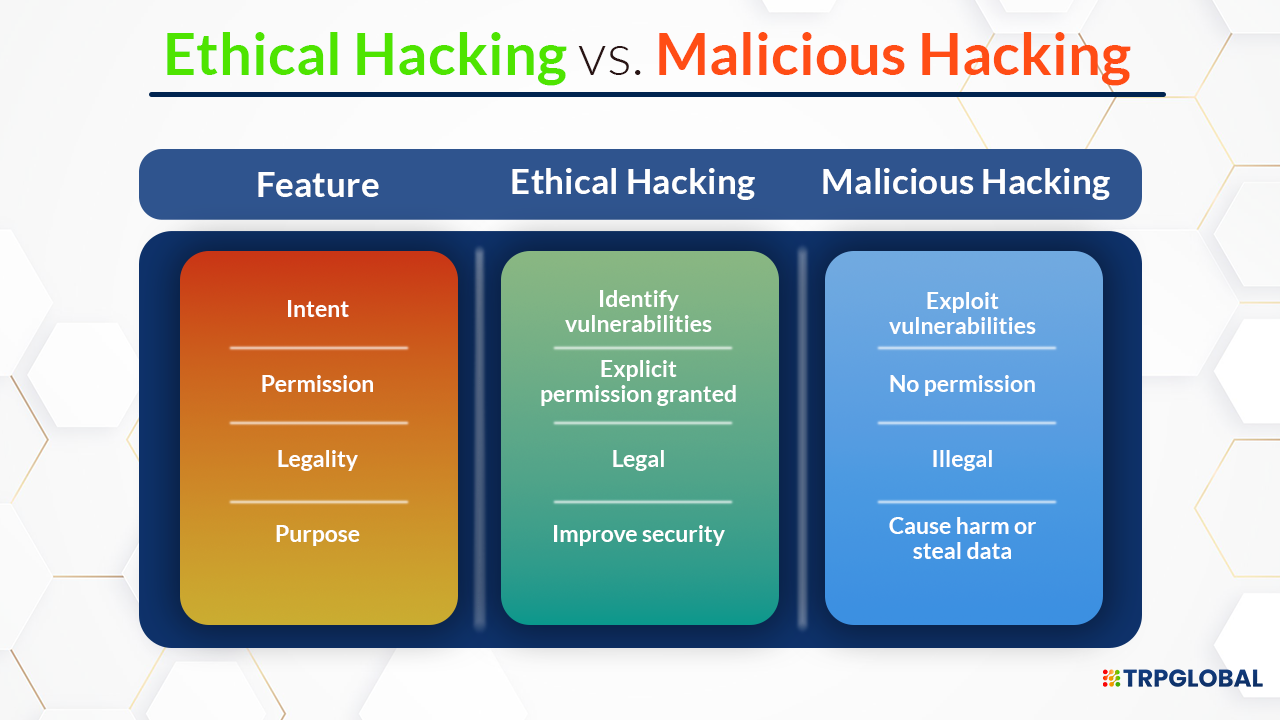
The key difference between ethical and malicious hacking lies in intent :
Ethical hackers work to protect systems, while malicious hackers seek to exploit them for personal gain or other nefarious purposes.
Confessions from the Field
Okay, time for some real talk. Here are a few confessions from my time in the trenches :
The "Oops" Moment: I once spent three days trying to break into a system, only to realize I was using the wrong IP address. Even the best of us make mistakes .
The Unexpected Find: Sometimes, you stumble upon vulnerabilities you weren't even looking for. It's like finding a secret passage in a house you're inspecting .
The Human Element: The biggest vulnerabilities are often not technical, but human. Phishing still works, and people still use "password123" .
The Satisfaction: There's nothing quite like finding a critical vulnerability and helping a client fix it before it's exploited. It's like defusing a bomb .
How to Become an Ethical Hacker
Interested in joining the ranks of the white hats? Here are some steps to consider:
Build a Strong Foundation: Develop a solid understanding of computer science fundamentals, networking, and security principles.
Learn Programming: Proficiency in programming languages like Python, Java, and C++ is essential for developing hacking tools and understanding code vulnerabilities.
Get Certified: Obtain industry-recognized certifications such as Certified Ethical Hacker (CEH), CompTIA Security+, or Offensive Security Certified Professional (OSCP).
Practice, Practice, Practice: Set up a lab environment to practice hacking techniques and experiment with different security tools.
Stay Updated: The cybersecurity landscape is constantly evolving, so it's crucial to stay informed about the latest threats and vulnerabilities.
Ethical SEO: Ethical SEO practices are important because it ensures long-term sustainable online success, builds trust with users, avoids search engine penalties and promotes genuine quality content.
The Future of Ethical Hacking
As technology advances and cyber threats become more sophisticated, the role of ethical hackers will only continue to grow in importance . With the rise of AI, machine learning, and the Internet of Things (IoT), ethical hackers will be needed to secure these emerging technologies and protect against new and evolving threats .
Ethical hacking is a critical component of modern cybersecurity, helping organizations proactively identify and address vulnerabilities before they can be exploited by malicious actors .. It's a challenging and rewarding field that requires a unique blend of technical skills, ethical principles, and a passion for protecting digital assets ..
So, next time you hear about a hacker, remember that not all hackers wear black hats. Some of us are on the good side, fighting to keep the digital world safe and secure ..
Ready to fortify your defenses? Contact us today for a comprehensive security assessment and ethical hacking services!
In our newsletter, explore an array of projects that exemplify our commitment to excellence, innovation, and successful collaborations across industries.
Thank you! Your submission has been received!
Oops! Something went wrong while submitting the form.