


Imagine a world where cybercriminals operate like tech startups, offering subscription-based services for fraud. Welcome to the era of Fraud as a Service (FaaS)—a dark and alarming trend that has revolutionised the way criminals conduct their operations. In this blog, we’ll dive into what FaaS is, how it’s reshaping the landscape of cybercrime, and what businesses and individuals can do to protect themselves from this growing threat.
Fraud as a Service is the new black market of cybercrime, where criminals offer an array of illegal services and tools to aspiring fraudsters through user-friendly online platforms. Think of it as a subscription box for scams—complete with phishing kits, stolen credentials, and even money laundering services. Just like legitimate Software as a Service (SaaS) companies, FaaS providers package their offerings in a way that makes it easy for anyone to jump into the world of cybercrime.
The appeal of FaaS lies in its accessibility. Gone are the days when you needed advanced technical skills to commit fraud. Today, anyone with an internet connection can purchase ready-made tools for as little as $50. This democratization of cybercrime means that even the most inexperienced criminals can get in on the action, leading to a surge in fraudulent activities targeting both individuals and businesses.
Fraud as a Service encompasses a wide range of nefarious activities that can wreak havoc on unsuspecting victims. Here are some common types:
The rise of cryptocurrencies has fueled the growth of FaaS by providing anonymity for transactions. Digital currencies like Bitcoin make it difficult for law enforcement to trace criminal activities back to individuals. Coupled with encrypted communication tools such as Telegram, fraudsters can coordinate their operations with minimal risk of detection.
FaaS thrives within the vast underground marketplace of the dark web, where listings for various fraud services abound. Recent statistics show that over 23 million records of stolen credit card data were available for purchase through these platforms in just one year—an alarming figure that underscores the scale of this issue.
The implications of Fraud as a Service extend beyond individual victims; they pose significant risks to businesses too. Companies face financial losses due to chargebacks and refunds from fraudulent transactions, not to mention reputational damage that can linger long after an incident.
Subscription-based models are particularly vulnerable to FaaS schemes. Fraudsters often exploit recurring payment systems by creating fake accounts or using stolen payment information to access premium content without paying. This leads not only to revenue loss but also increases operational costs associated with managing chargebacks and fraud investigations.
The rise of Fraud as a Service (FaaS) has been staggering, with recent studies indicating that the global cost of cybercrime is expected to reach $10.5 trillion annually by 2025. A report from Cybersecurity Ventures reveals that over 80% of cybercrime is now facilitated through FaaS platforms, highlighting the alarming trend of subscription-based fraud services. Additionally, the average cost of a data breach for businesses has surged to $4.35 million, underscoring the urgent need for organizations to enhance their cybersecurity measures and stay ahead of these evolving threats.
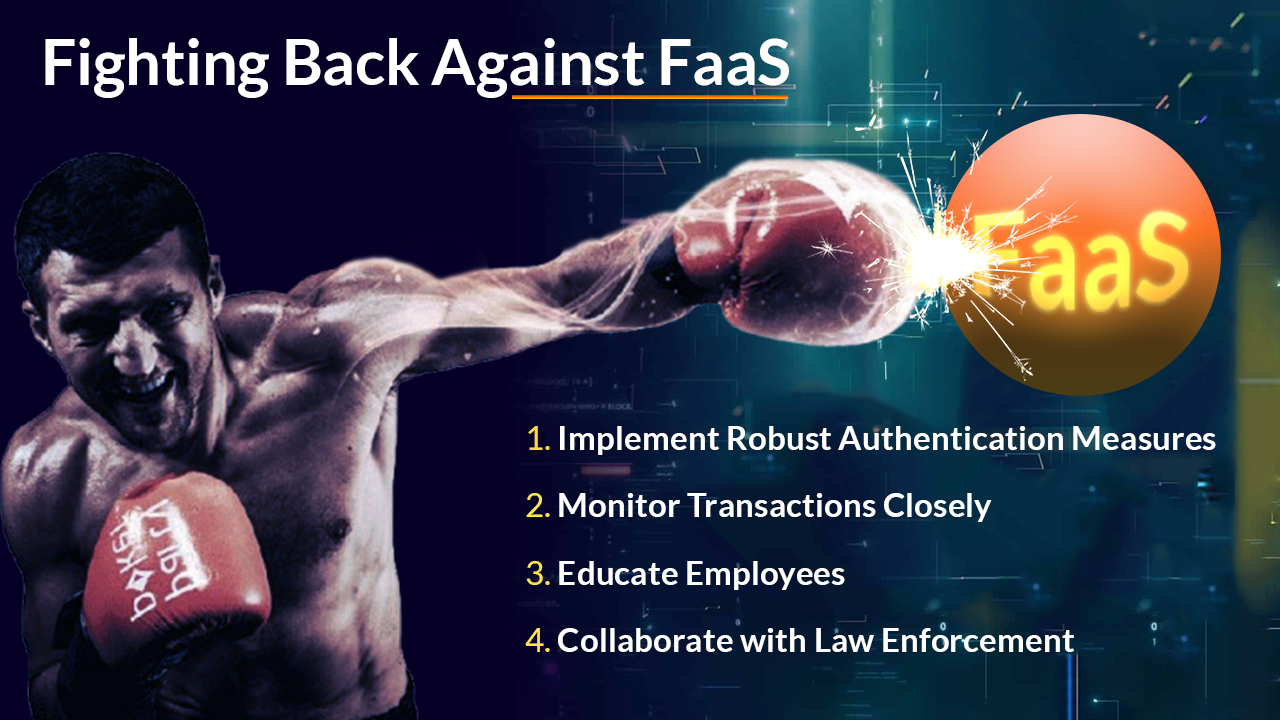
As the threat landscape evolves, businesses must adopt proactive measures to protect themselves against FaaS:
Fraud as a Service is changing the game for cybercriminals, making it easier than ever for individuals with minimal skills to engage in fraudulent activities. As this subscription model continues to thrive, businesses must remain vigilant and proactive in their efforts to combat these threats.
As we move forward into an increasingly interconnected future, awareness and preparedness will be key components in the fight against Fraud as a Service—and its devastating impact on society at large. Stay informed and protect your business from the growing threat of Fraud as a Service—contact us today for expert guidance on strengthening your cybersecurity defenses!

In our newsletter, explore an array of projects that exemplify our commitment to excellence, innovation, and successful collaborations across industries.