


If you’re in cybersecurity or IT, your week probably looks something like this:
And through it all, you tell yourself what most security teams do: “We’ve got the tools. We’ve got the logs. We’ve got the framework. We’re good.” But here’s the problem: a lot of today’s cyber incidents don’t come from what’s loud—they come from what’s overlooked.
Cybersecurity doesn’t always fail with a bang. Sometimes, it fails in silence.
Here’s how:
These aren’t zero-days. These are human-day issues. And they’re causing real damage.
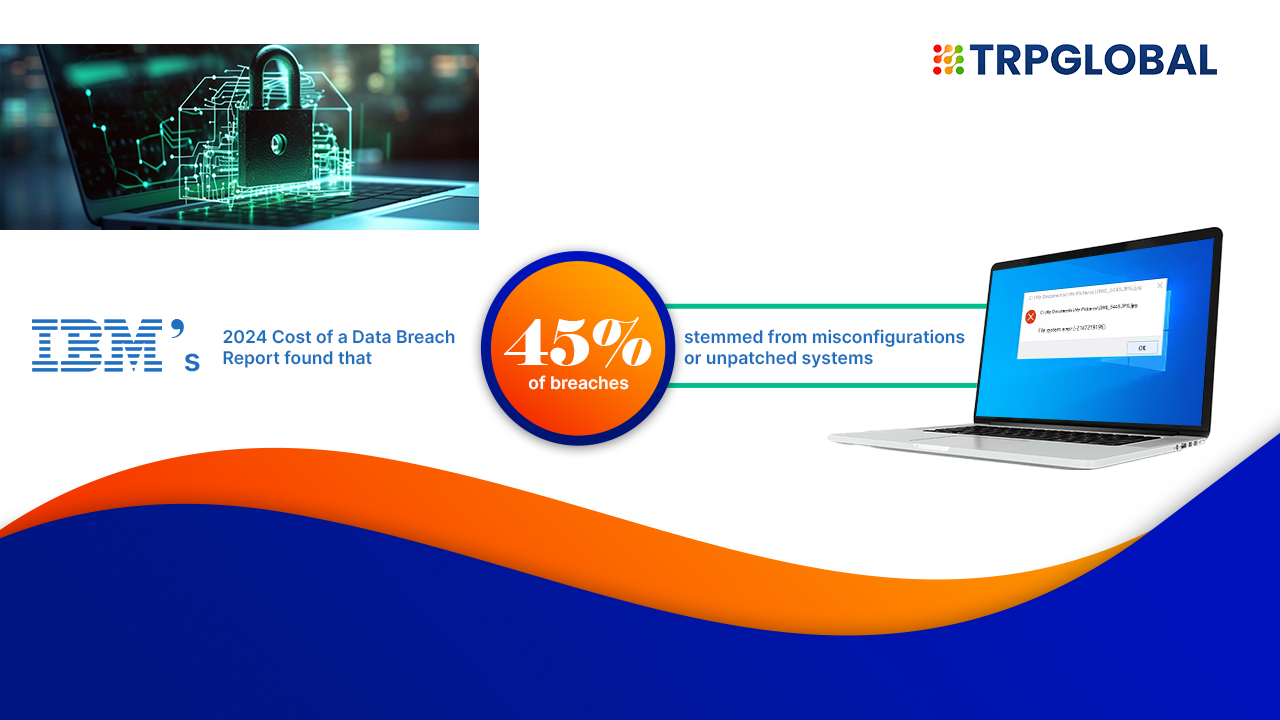
Let’s look at some data:
These aren’t the types of attacks you need a threat intel subscription to catch. They’re the ones hiding in plain sight.
A large financial services company had strong cyber hygiene. MFA was enforced company-wide. Alerts were monitored. Third-party tools were in place. But one high-level user had a legitimate MFA exemption—granted during a travel emergency.
Nobody removed it.
Six months later, that account was compromised in a phishing attack. The breach exposed sensitive internal data and cost the firm over $3 million in investigation, recovery, and client trust.
The kicker? Everything “looked fine” in the dashboards.
You might be wondering: with all our tools, how is this still happening?
Here’s why:
Security teams are overwhelmed.
When every vulnerability is “high,” and every alert is urgent, humans tune out—even when the threat is real.
Most security budgets go toward stopping external attackers. But many breaches are caused by internal gaps, missteps, and oversights.
No one owns the whole picture.
IT manages infrastructure. Security handles monitoring. Compliance tracks policy.
But when risk is spread too thin, it falls between the cracks.
The moment your risk register stops evolving, it becomes fiction.
Too many companies rely on annual updates or “in-case-we’re-audited” documentation. That doesn’t cut it anymore.
If traditional controls and policies aren’t enough, what does work?
Let’s break it down:
Don’t assume MFA is on. Don’t assume logging is working. Don’t assume backups are recoverable.
Test everything. Regularly. Automatically.
Build continuous control testing into your strategy—not just annual reviews.
Every risk should have:
If a control fails and nobody knows about it until breach day, it’s already too late.
Don’t just model APTs and malware. Include:
Most real breaches start this way.
Instead of “we blocked 1,000 threats,” show:
These are the metrics that actually tell you if you're protected.
If your team’s default answer is “we’re fine,” ask:
Let’s be clear: visibility isn’t the same as awareness. Just because your tools are logging data doesn’t mean your team is seeing the signals that matter. In many cases, quiet breaches go unnoticed not because the information wasn’t available—but because it was buried under noise. When everything is marked critical, nothing feels urgent. That’s why organizations need to shift from passive visibility to intentional, prioritized monitoring—where the right people see the right risks before they escalate.
In cybersecurity, it's not always the obvious threats that take you down.
It's the risks no one noticed. The logs no one read. The "temporary exceptions" that became permanent vulnerabilities.
You don't need more alerts. You need better awareness, ownership, and action.
Because the quiet failures don’t warn you—they just cost you.
Ready to Find the Gaps Before They Find You?
If you’re done playing defense with dashboards and want to get proactive about the real risks hiding inside your environment, let’s talk. Contact us for a strategic risk consultation that goes beyond checklists and finds the cracks before the breach does.

In our newsletter, explore an array of projects that exemplify our commitment to excellence, innovation, and successful collaborations across industries.