Forget the image of a lone hacker in a hoodie. Today, cybercrime has transformed into a highly organized, global enterprise raking in trillions of dollars annually. It's a business, plain and simple, and a shockingly profitable one at that. In this blog, we'll explore the alarming rise of cybercrime as a business, the key factors driving its profitability, and what this means for individuals and organizations alike.
The Shocking Numbers: Cybercrime by the Numbers
The statistics surrounding cybercrime are staggering. According to recent reports, global cybercrime costs are expected to reach a staggering $10.5 trillion annually by 2025. To put that into perspective, that's more than the GDP of many countries and surpasses the annual revenue of even the world's largest corporations. In 2023, the reported losses connected to cybercrime complaints in the U.S. alone were $12.5 billion, up $2 billion from the previous year. Cybercrime costs are predicted to reach almost $24 trillion by 2027.
Cybercrime is predicted to be the world's third largest economy
If cybercrime were a country, it would have the 3rd largest economy. This immense financial impact underscores the severity of the problem and the urgent need for effective cybersecurity measures.
The Silver Lining: Growing Investment in Cybersecurity
While the growth of cybercrime is alarming, it has also spurred a corresponding increase in investment in cybersecurity measures. Governments, businesses, and individuals are recognizing the urgent need to protect themselves from these threats, leading to a surge in demand for cybersecurity products and services. This heightened awareness and investment are driving innovation in the cybersecurity industry, resulting in the development of more effective tools and techniques to combat cybercrime. While we may never completely eradicate cybercrime, this increased focus on cybersecurity is essential for mitigating risks and staying one step ahead of malicious actors.
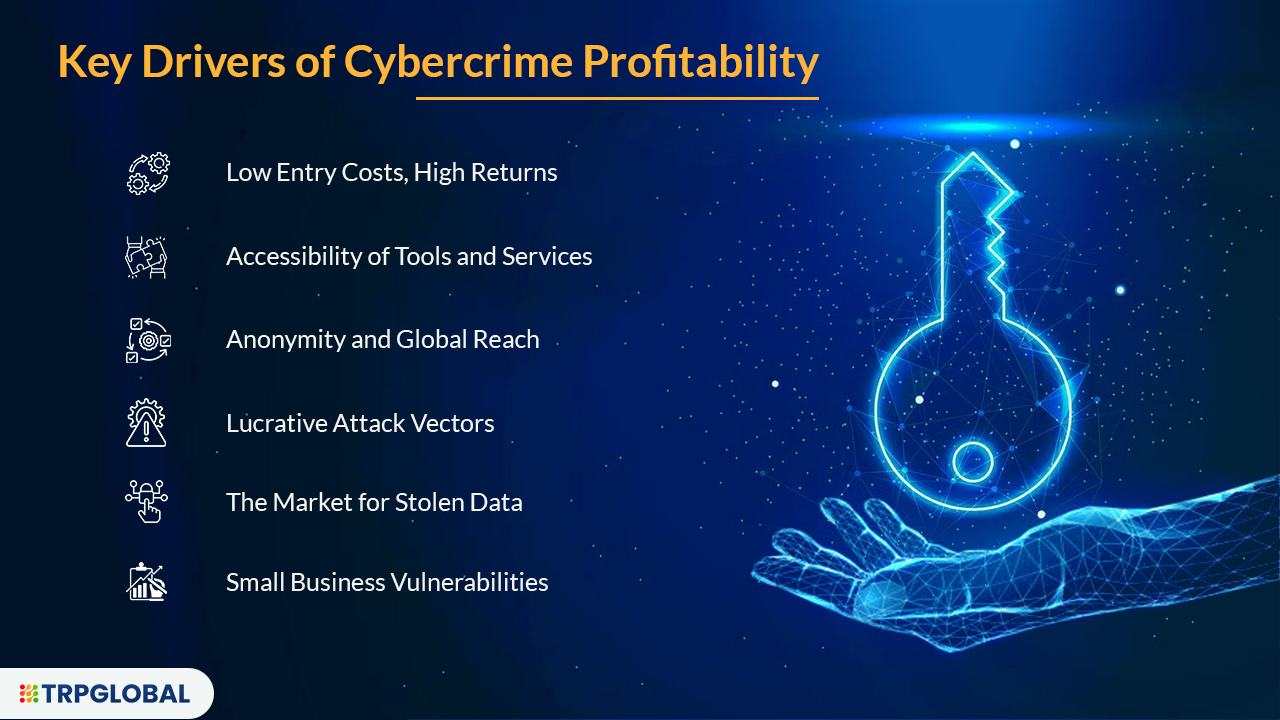
Key Drivers of Cybercrime Profitability
Several factors contribute to the booming profitability of cybercrime:
Low Entry Costs, High Returns: Unlike traditional criminal activities, cybercrime requires relatively low initial investment but offers potentially enormous returns1. As NordLayer’s Carlos Salas explains, cybercrime has lower costs than many legal professions and much less risk than conventional kinetic crime.
Accessibility of Tools and Services: The rise of "Fraud as a Service" (FaaS) platforms has made it easier than ever for individuals with limited technical skills to engage in cybercrime. These platforms offer a wide range of tools and services, from phishing kits to ransomware, on a subscription basis.
Anonymity and Global Reach: The internet provides cybercriminals with a high degree of anonymity and the ability to operate across borders, making it difficult to track them down and bring them to justice.
Lucrative Attack Vectors: Certain types of cyberattacks, such as ransomware and business email compromise (BEC), can generate substantial profits for criminals1. In a ransomware attack, a threat group gains access to a victim’s systems, steals data, and encrypts it, demanding a large ransom payment in exchange for restoring access.
The Market for Stolen Data: Stolen data is a valuable commodity on the dark web, with cybercriminals selling everything from credit card numbers and personal information to trade secrets and intellectual property.
Small Business Vulnerabilities: Nearly half of cyberattacks target small businesses. In 2023, over 40% of small businesses experienced a cyber threat.
The Impact on Businesses and Individuals
The financial impact of cybercrime extends far beyond the immediate costs of a successful attack. Businesses face a range of expenses, including:
Direct Financial Losses: These include ransom payments, emergency IT services, legal fees, and customer notification costs.
Operational Costs: System downtime, productivity losses, revenue losses during outages, and the cost of recovering compromised data and systems.
Long-Term Financial Effects: Increased insurance premiums, investments in enhanced security measures, staff training, and ongoing monitoring and compliance costs.
Reputational Damage: A data breach or cyberattack can severely damage a company's reputation, leading to a loss of customers and revenue.
Small Businesses: SMBs spend between $826 and $653,587 on cybersecurity incidents.
Individuals also face significant risks from cybercrime, including:
Identity Theft: Cybercriminals can use stolen personal information to open fraudulent accounts, apply for loans, and commit other types of identity theft.
Financial Fraud: Phishing attacks, malware, and other cyber threats can be used to steal money from individuals' bank accounts or credit cards.
Emotional Distress: The stress and anxiety caused by a cyberattack can have a significant emotional toll on victims.
Defending Against the Cybercrime Business
While the cybercrime landscape may seem daunting, there are steps that individuals and organizations can take to protect themselves:
Implement Strong Security Measures: Use strong, unique passwords, enable multi-factor authentication, install antivirus software, and keep your systems and software up to date.
Educate Employees and Individuals: Provide regular training on cybersecurity best practices, including how to recognize phishing attacks and other common threats.
Develop an Incident Response Plan: Create a plan for responding to a security breach, including steps for containing the attack, recovering data, and notifying affected parties.
Invest in Cybersecurity Solutions: There are a wide range of cybersecurity solutions available, from firewalls and intrusion detection systems to data loss prevention tools and security information and event management (SIEM) systems.
Stay Informed: Keep up to date on the latest cyber threats and security best practices by following industry news sources, attending conferences, and participating in online forums.
Cybercrime is no longer just a nuisance; it's a sophisticated and highly profitable business that poses a significant threat to individuals and organizations worldwide. By understanding the key drivers of cybercrime profitability and taking proactive steps to defend against these threats, we can help to disrupt the cybercrime business model and protect our digital assets. The cybercrime industry continues to grow with estimated costs of 15.63 trillion by 2029. Want to safeguard your business against the rising tide of cybercrime? Contact us today to learn more about our comprehensive cybersecurity solutions!
In our newsletter, explore an array of projects that exemplify our commitment to excellence, innovation, and successful collaborations across industries.
Thank you! Your submission has been received!
Oops! Something went wrong while submitting the form.