


You know how we all have our daily routines to stay healthy—like eating well and exercising? Well, just like that, we need to have good habits for staying safe online, too! In this digital age, where we do everything from shopping to banking on our devices, practicing good cyber hygiene is super important. So, grab a comfy seat, and let’s chat about what cyber hygiene really means and some easy steps you can take to keep yourself safe while surfing the web!
Cyber hygiene refers to the set of practices and steps that individuals and organizations take to maintain the health of their digital environments. It’s about forming good habits that protect you from online threats. Think of it as a routine that helps you keep your personal information safe, just like you would protect your physical health.
You might be wondering why you should care about cyber hygiene. Well, consider this: according to recent studies, over 60% of small businesses that experience a cyber attack go out of business within six months. That’s a staggering statistic! By practicing good cyber hygiene, you can significantly reduce the risk of falling victim to cyber threats and ensure that your personal and financial information remains secure.
Now that we understand what cyber hygiene is, let’s talk about some straightforward practices you can implement right away. These tips are easy to follow and can make a big difference in your online security.
One of the simplest yet most effective ways to protect yourself online is by using strong passwords. Avoid using easily guessable information like birthdays or pet names. Instead, create passwords that are at least 12 characters long and include a mix of upper and lower case letters, numbers, and symbols. And here’s a pro tip: consider using a password manager! These handy tools help you generate and store complex passwords securely, so you don’t have to remember them all.
Multi-factor authentication adds an extra layer of security by requiring more than just your password to access your accounts. This could be a text message with a code or an authentication app notification. Enabling MFA can deter unauthorized access even if someone manages to get hold of your password.
Outdated software can be a goldmine for cybercriminals. Regularly updating your operating systems, applications, and antivirus software ensures that you have the latest security patches installed. Set reminders for yourself or enable automatic updates so you never miss an important upgrade.
Phishing attacks are one of the most common ways hackers try to gain access to your information. Be cautious when clicking on links in emails or messages from unknown sources. If something seems off or too good to be true (like winning a prize), it probably is! Always verify the sender before providing any personal information.
Your home Wi-Fi network can be an easy target for hackers if not properly secured. Change the default username and password on your router and use strong encryption methods like WPA2 or WPA3. Additionally, consider setting up a guest network for visitors so they don’t have access to your main network.
Backing up your data is crucial in case of a ransomware attack or hardware failure. Use external hard drives or cloud storage solutions to keep copies of important files. Make it a habit to back up your data regularly—weekly or monthly backups can save you from potential disasters!
Knowledge is power! Stay informed about the latest cybersecurity threats and best practices. Share this knowledge with friends and family; after all, cyber hygiene isn’t just an individual effort—it’s a community one too!
Investing in reputable antivirus software can help protect your devices from malware and other malicious threats. Make sure it’s always running in the background and set it up for regular scans to catch any potential issues early.
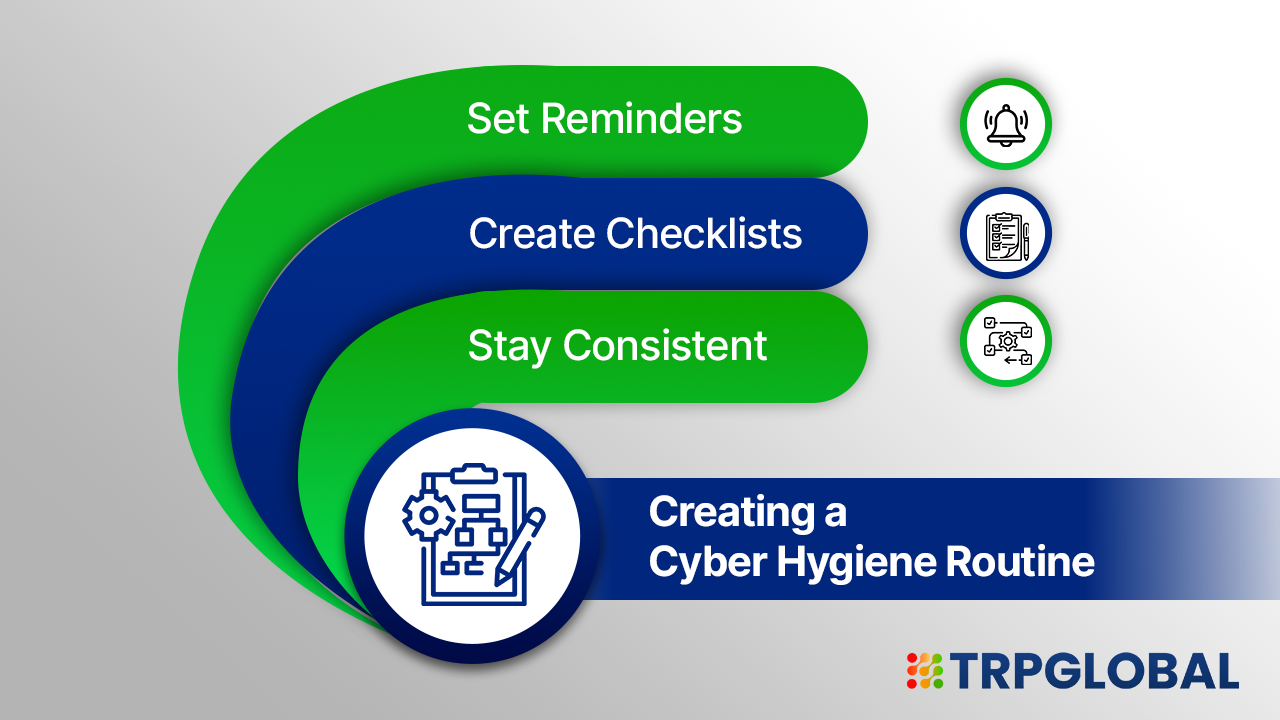
Just like brushing your teeth becomes second nature over time, practicing good cyber hygiene should become part of your daily routine. Here are some tips for creating effective habits:
In our increasingly digital world, maintaining good cyber hygiene is essential for protecting ourselves from online threats. By adopting simple practices like using strong passwords, enabling multi-factor authentication, keeping software updated, and being vigilant against phishing attempts, we can significantly enhance our online security. Remember, cyber hygiene isn’t just about technology; it’s about building habits that safeguard our personal information and digital lives. So let’s commit to these practices together—your future self will thank you!
Have questions about improving your cyber hygiene? Contact us today, and let’s work together to enhance your online safety!

In our newsletter, explore an array of projects that exemplify our commitment to excellence, innovation, and successful collaborations across industries.