

.png)
In the fast-paced world of IT, managing risks is crucial to maintaining smooth operations and achieving success. One tool that has found its place in risk management across various industries is candlestick patterns. While traditionally used in financial markets, these patterns are now being leveraged in IT sectors to anticipate project risks, mitigate challenges, and identify opportunities. By understanding how to use candlestick patterns in risk management, teams can enhance their ability to predict issues, allocate resources effectively, and ensure project success.
Candlestick patterns are visual representations used to interpret price movements over a specific time frame. Each candlestick consists of four key components: the opening price, closing price, highest price, and lowest price. When viewed collectively, these patterns provide insights into market sentiment or, in the case of IT, project trends, team sentiment, and operational risks.
While candlestick patterns are often associated with trading, they can be applied to any domain that requires tracking progress over time. In IT projects, for instance, these patterns can be used to identify risks and opportunities, helping managers make more informed decisions.
In IT, risk management is critical to ensuring that projects stay on track and deliver successful outcomes. It involves identifying, assessing, and managing potential risks to reduce the impact of uncertainties. Risk management ensures that issues, whether technical, operational, or strategic, are dealt with early on to prevent significant setbacks.
Candlestick patterns are a great tool in this process, as they provide early signals about potential changes in project performance. When combined with traditional risk management strategies such as setting stop-loss levels (for limiting losses) and diversifying resources, these patterns can significantly improve a team’s ability to predict and mitigate risks.
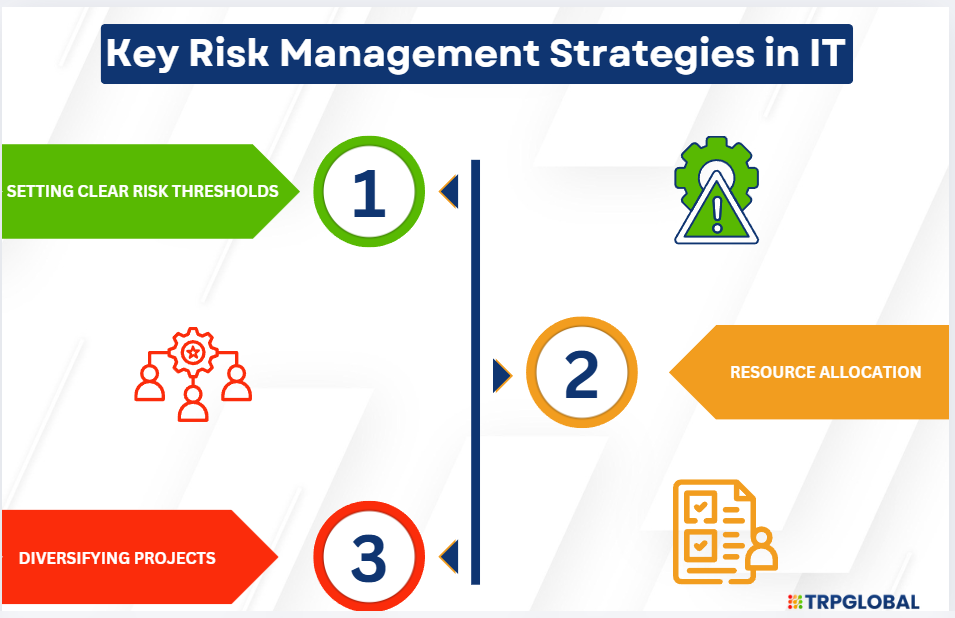
Risk mitigation strategies, when integrated with candlestick patterns, offer a robust framework for managing uncertainties in IT projects.
Candlestick patterns, commonly associated with financial markets, can be applied to enhance IT risk management, particularly in cybersecurity and IT projects. These patterns serve as visual tools that help identify shifts in risk levels and project progress, enabling IT teams to take proactive measures and adjust their strategies.
Imagine a scenario in which an IT project is running smoothly with a cybersecurity system in place. However, a sudden appearance of a “Shooting Star” pattern on a project timeline could indicate a warning that a potential system vulnerability is emerging, and project performance may soon decline. Recognizing this early allows the IT team to step in and patch the security issue before it results in a breach.
In conclusion, incorporating candlestick patterns into IT risk management strategies provides an intuitive method for anticipating and mitigating cybersecurity and project risks. These patterns serve as powerful tools for enhancing decision-making, improving project outcomes, and ensuring IT systems remain secure and resilient against threats.
Candlestick patterns are useful, but like any tool, they must be used correctly. Some common mistakes include:
By validating candlestick patterns with other analysis tools, teams can make more informed decisions and avoid common pitfalls.
To maximize the effectiveness of candlestick patterns, combine them with sound risk management practices. For example:
By integrating candlestick analysis with a disciplined risk management approach, IT teams can protect projects from unnecessary risks while capitalizing on emerging opportunities.
Candlestick patterns offer valuable insights into project performance and potential risks in the IT sector. When combined with effective risk management strategies, they enable teams to stay proactive, minimize losses, and maximize project success. By using these patterns, IT managers can make better-informed decisions, adjust strategies quickly, and ensure their projects remain on track.
Ready to Take Your IT Projects to the Next Level?
Unlock the full potential of your project with smarter risk management strategies. At TRPGLOBAL, we specialize in providing tailored solutions to help you navigate challenges and drive success. Reach out today and let’s build a future-proof strategy together!

In our newsletter, explore an array of projects that exemplify our commitment to excellence, innovation, and successful collaborations across industries.