


When a major data breach hits the headlines, the story usually starts at the moment of impact. But in reality, it began long before the spotlight—weeks, months, even years earlier.
Here’s the hard truth: Breaches don’t just happen.
They build up silently, slowly, and often in plain sight—with warning signs that too many teams ignore.
If your organization is still relying on outdated tools, siloed systems, and reactive processes, you’re not just at risk.
You might already be compromised.
We’ve seen these patterns first-hand. So let’s break down the 10 most common red flags companies miss before a breach—and what you can do to get ahead of the threats before they escalate.
Thousands of alerts. Limited bandwidth. And not enough eyes to review them all. Sound familiar?
This is where critical threats get lost in the noise.
Implement intelligent threat detection that uses AI and machine learning to prioritize alerts by risk level and automatically correlate signals across your environment.
An employee logs in from New York—then from Singapore, five minutes later. That’s not magic. That’s suspicious.
But many organizations miss these signs due to poor anomaly detection.
Use behavioral analytics and geo-alerting. TRPGLOBAL recommends implementing UEBA (User & Entity Behavior Analytics) to flag abnormal patterns automatically.
Yes, MFA is important—but attackers have learned to bypass it.
MFA fatigue attacks—where users are bombarded with login prompts until they approve—are on the rise.
Example: The Uber breach (2022) started exactly like this.
Adopt phishing-resistant MFA, such as biometrics or hardware keys. Monitor for odd approval behavior to catch fatigue attacks in progress.
From personal Dropbox accounts to rogue SaaS tools, shadow IT opens the door to serious risk.
If you don’t know what’s in your ecosystem, you can’t secure it.
Deploy Cloud Access Security Brokers (CASBs) to discover and monitor unauthorized apps. Enforce policies and restrict usage where needed.
If everyone owns it… then no one owns it.
Lack of accountability leads to vulnerabilities slipping through the cracks and controls going untested.
Use a centralized risk register to assign ownership. TRPGLOBAL helps automate control reviews and incident response tasks so nothing gets missed.
Managing risk via spreadsheets or outdated GRC systems? That’s not visibility—that’s delay.
Upgrade to real-time risk management platforms that provide dynamic dashboards, automatic risk scoring, and control mapping—all in one place.
Our platform is built for visibility and speed.
Attackers don’t wait. On average, they exploit known vulnerabilities in under 15 days.
If your patch process is slow, you’re already vulnerable.
Automate your patch cycles and prioritize vulnerabilities based on asset criticality. Tie patching directly to business risk with TRPGLOBAL’s integrated tools.
Risk can’t be a quarterly topic or a post-breach debrief. It has to be part of the daily workflow.
Build a risk-aware culture by embedding risk metrics into everyday tools and dashboards. Include stakeholders across functions, not just security.
We helps create cross-functional alignment so risk isn't an afterthought.
Would your team know what to do if the worst happened today?
If you’re not confident, that’s your answer.
Run regular tabletop exercises, simulate breaches, and update your IR playbooks as new threats emerge. TRPGLOBAL supports drill planning and response testing for real-world readiness.
Old-school KPIs like “vulnerabilities closed” or “emails reported” don’t reflect modern risk.
Shift to risk-based metrics, like:
Our analytics suite helps you track what really matters.
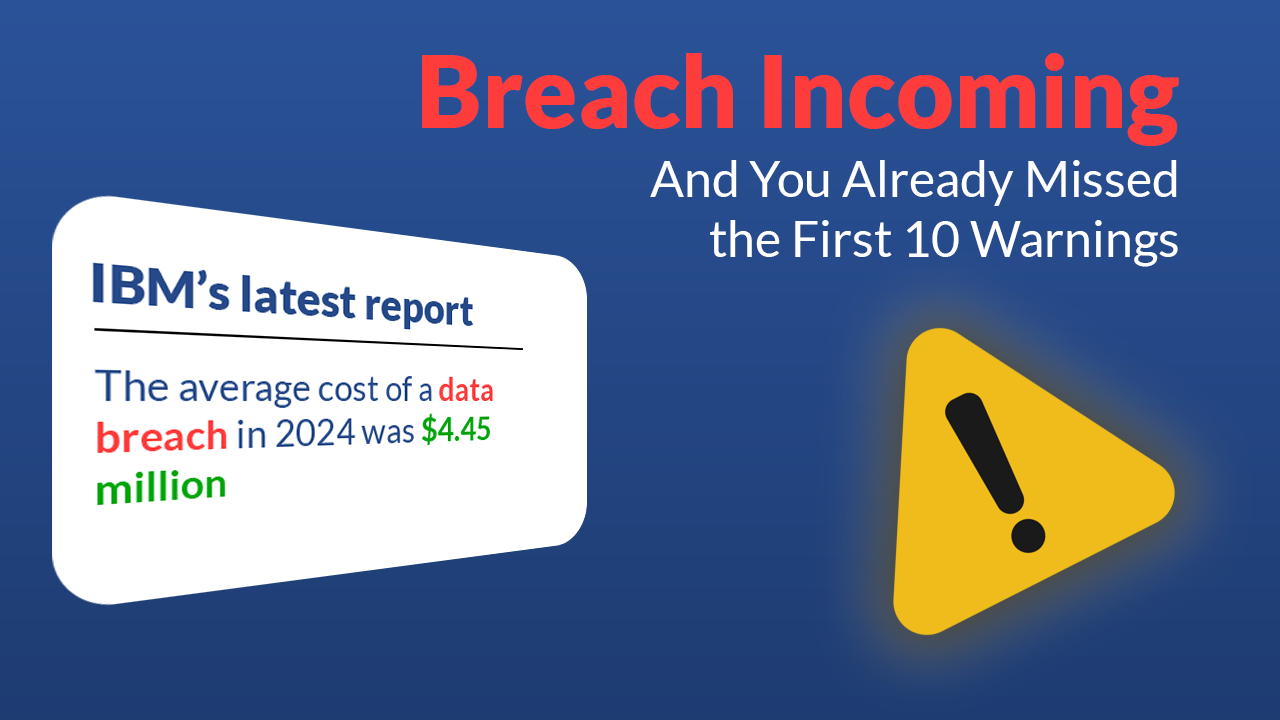
Every delayed patch, overlooked login, and missed alert compounds the risk. IBM’s 2024 report pegged the average cost of a breach at $4.45 million. But the true damage? Lost trust. Lost opportunity. Regulatory fallout.
When you miss the red flags, your entire organization—brand, board, and bottom line—feels the impact.
Breaches never come out of nowhere.
The signs were blinking red.
You just didn’t have the tools, the visibility, or the strategy to see them in time.
But you can change that—starting today.
With ours proactive, intelligent risk management solutions, your team can spot the patterns, prioritize what matters, and stop threats before they escalate.
Stop relying on yesterday’s tools.
Stop managing risk like it’s still 2015.
Contact us today to take back control and build a future-ready cybersecurity program.

In our newsletter, explore an array of projects that exemplify our commitment to excellence, innovation, and successful collaborations across industries.