Wearable fitness devices, such as smartwatches, fitness trackers, and health apps, have transformed the way we monitor our health, fitness, and daily activities. From tracking heart rate and steps to analyzing sleep patterns and calorie intake, these devices have become essential wellness tools for millions.
However, as digital fitness devices become smarter, they also become riskier. The vast amount of personal and health data they collect makes them an attractive target for hackers, data brokers, and cybercriminals.
So, how vulnerable is your personal fitness data? And what steps can you take to protect your privacy and security? Let’s dive into the cybersecurity risks associated with digital fitness devices and explore ways to safeguard your sensitive health information.
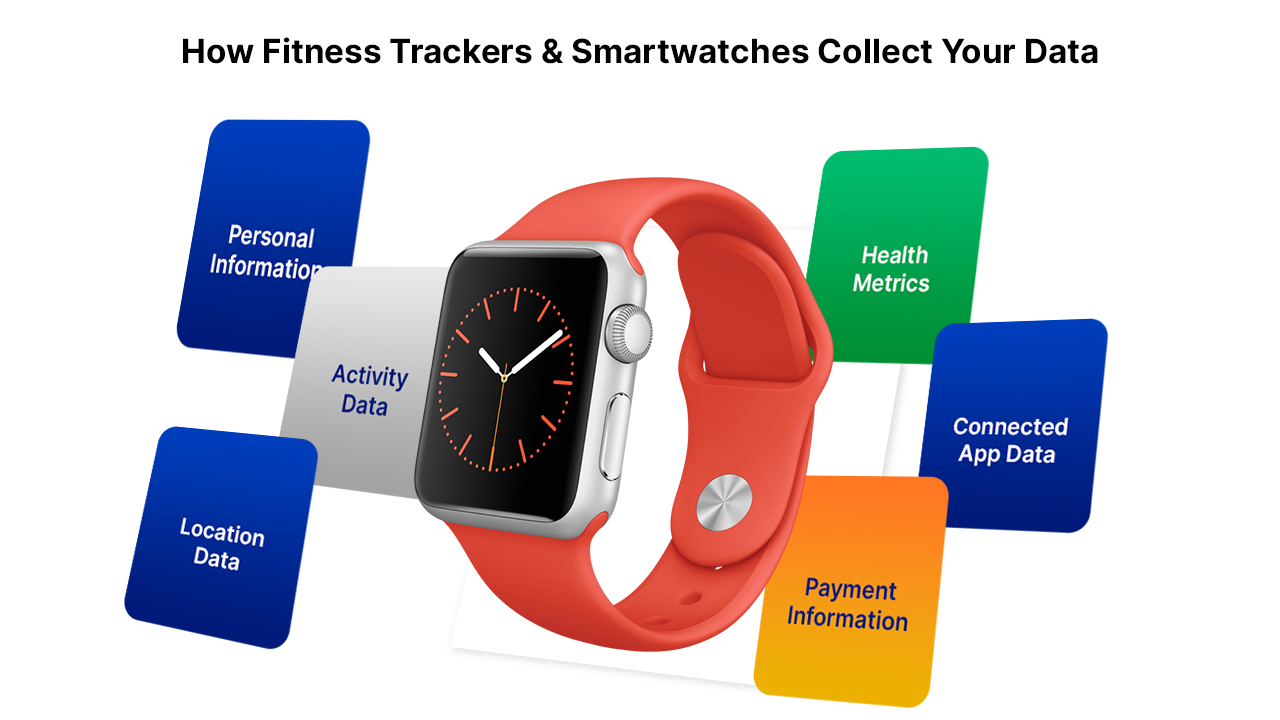
How Fitness Trackers & Smartwatches Collect Your Data
Before we talk about security risks, let’s understand what kind of data these devices collect:
Personal Information – Name, age, gender, weight, height
Many fitness trackers use GPS tracking to map running routes and workout activities.
Problem: If your location data is exposed, hackers can track your daily routines and target you for cyberstalking or real-world threats.
Example: In 2018, the fitness tracking app Strava accidentally revealed secret U.S. military base locations by exposing soldiers’ running routes.
4️. Data Sharing Without User Awareness
Many fitness device companies sell user data to advertisers, insurance companies, and third parties.
Example: In 2021, Google acquired Fitbit, raising concerns over how user health data might be used for targeted ads.
Tip: Always read the privacy policies before signing up for any health-tracking service.
5️. Bluetooth & WiFi Vulnerabilities
Fitness devices connect via Bluetooth or WiFi, making them vulnerable to man-in-the-middle (MITM) attacks.
Hackers can intercept data transmissions, gaining access to sensitive health metrics.
Tip: Always disable Bluetooth & WiFi when not in use to prevent unauthorized connections.
How to Protect Your Digital Fitness Data
While fitness devices carry security risks, you can take steps to minimize exposure and safeguard your privacy.
1. Use Strong Passwords & Enable Two-Factor Authentication (2FA)
Never use the same password across multiple apps.
Enable 2FA on all fitness-related accounts for extra security.
2. Limit Data Sharing & App Permissions
Disable unnecessary location tracking when not needed.
Revoke permissions for third-party apps that don’t require fitness data.
3. Keep Your Device Firmware Updated
Manufacturers regularly patch security vulnerabilities in updates.
Tip: Set your device to auto-update firmware and apps.
4. Use a VPN When Syncing Data
A VPN encrypts data transmitted between your fitness device and the cloud.
This protects against man-in-the-middle attacks when using public WiFi.
5. Regularly Check Data Breach Alerts
Use tools like "Have I Been Pawned" (haveibeenpwned.com) to check if your credentials have been leaked.
Change passwords immediately if your data appears in a breach.
Should Health Data Be More Regulated?
The growing use of fitness devices in healthcare has raised debates over data privacy regulations.
Are fitness companies responsible for protecting user data?
Should health trackers be regulated like medical devices?
Do users have full control over how their health data is used?
Regulators worldwide are pushing for stronger laws to prevent fitness companies from selling user health data without explicit consent.
The Future of Cybersecurity in Digital Health
As fitness technology continues to evolve, cybersecurity must keep pace. Digital health data is valuable, and cybercriminals are finding new ways to exploit it.
The best defense? Awareness and action. By following strong cybersecurity practices, users can continue enjoying the benefits of fitness technology—without compromising privacy.
Key Takeaways:
Fitness trackers collect more personal data than most people realize.
Cybercriminals target health data for identity theft, fraud, and location tracking.
Users must enable security settings, limit data sharing, and use strong passwords.
Regulations must evolve to protect health-related personal data.
What do you think? Should fitness companies be required to strengthen cybersecurity measures?
Concerned about data privacy, fitness device security, or enterprise cybersecurity? Our experts help businesses and individuals protect digital assets, secure IoT devices, and prevent cyber threats. Get in touch for a free cybersecurity consultation today!
In our newsletter, explore an array of projects that exemplify our commitment to excellence, innovation, and successful collaborations across industries.
Thank you! Your submission has been received!
Oops! Something went wrong while submitting the form.