


Cybercriminals are everywhere, and the risk of being targeted is higher than ever. With the digital world constantly evolving, threats can come from unexpected places. The question is: are you on a cybercriminal’s radar? Your online activity, habits, and personal data might already be under surveillance without you even knowing. In this blog, we’ll walk through the signs that suggest you might be a target, the tactics cybercriminals use to track their prey, and most importantly, what you can do to protect yourself.
Cybercrime is no longer a matter of “if” but “when.” Every day, cybercriminals exploit vulnerabilities to steal sensitive data, hijack accounts, and commit identity theft. The rise of sophisticated malware, social engineering, and phishing techniques has made it easier for attackers to access personal and business data.
Unlike physical threats, cyberattacks are often silent and stealthy. By the time you realize you’ve been targeted, the damage could already be done. But how can you tell if your personal or business data is being monitored? Let’s explore the signs and tactics that might suggest you’re on a cybercriminal’s hit list.
If you're wondering whether you might be under surveillance, here are some telltale signs that suggest cybercriminals may be monitoring you.
If your computer, smartphone, or tablet suddenly starts acting sluggish or you notice a surge in pop-up ads, these could be signs of a malware infection. Cybercriminals often use malware to spy on their victims or gain unauthorized access to their devices.
Strange logins from unfamiliar locations or devices, multiple failed login attempts, or sudden password reset requests can be signs that someone is trying to gain unauthorized access to your accounts. Cybercriminals use stolen credentials to break into personal and professional accounts.
If you start receiving emails or messages that appear to be from trusted sources, but they seem odd or ask for personal information, it could be a phishing attempt. Cybercriminals often hijack your contacts’ accounts to send fake messages, trying to extract sensitive data from you.
If you notice unfamiliar transactions on your credit card or bank statements, your financial data may have been compromised. Cybercriminals often use stolen payment information to make fraudulent purchases.
If your passwords suddenly stop working, or you’re unable to access your accounts, it may mean that cybercriminals have gained control. They might change the login credentials to lock you out while they continue exploiting your account.
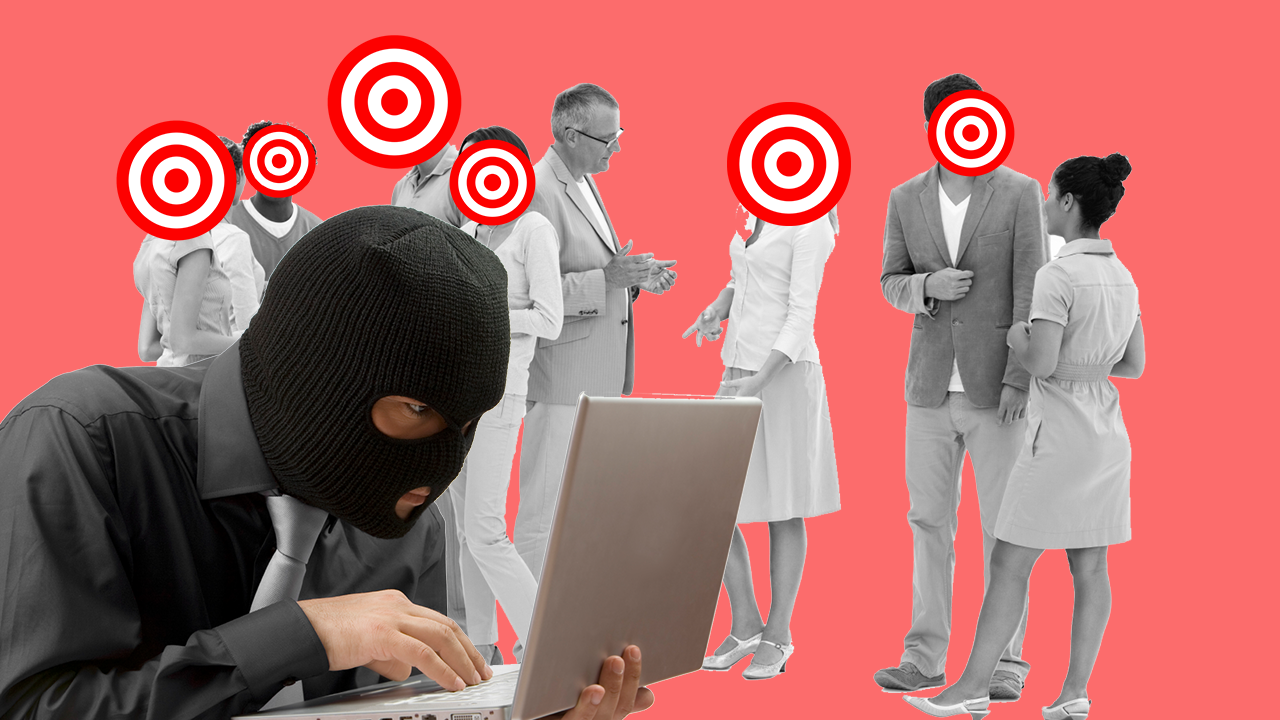
Cybercriminals are becoming increasingly sophisticated in how they track their victims. Here’s how they do it:
Cybercriminals use automated tools to scrape data from public sources such as social media, blogs, and professional networking sites. This data is used to create detailed profiles about you, including your location, work history, preferences, and even your social circle.
Keyloggers are malicious software programs that track every keystroke on your device. This allows cybercriminals to capture sensitive data like login credentials, credit card numbers, and personal messages. Malware can also give hackers remote access to your device, allowing them to monitor your activity in real time.
Cybercriminals often rely on social engineering to manipulate individuals into revealing sensitive information. By impersonating trusted entities such as colleagues, service providers, or family members, they can trick you into providing private details, clicking on harmful links, or even downloading malicious software.
Spyware is a type of malware that secretly monitors your online activity. Once installed on your device, it can track your keystrokes, record your screen, and capture sensitive personal data. It often operates without the user’s knowledge, allowing cybercriminals to gather information over time.
Recognizing the signs is just the first step. Now, let’s look at proactive steps you can take to safeguard your data and ensure you're not on a cybercriminal’s hit list.
Cybercriminals often exploit outdated software to gain access to devices. Regularly updating your operating system, applications, and antivirus software helps close these security gaps and protect you from known vulnerabilities.
Make sure each of your accounts has a unique, complex password. Avoid using the same password for multiple accounts. A strong password should include a mix of uppercase and lowercase letters, numbers, and special characters.
MFA adds an extra layer of security by requiring more than just a password to access your accounts. Even if someone steals your password, they would still need access to your secondary form of verification (such as a code sent to your phone).
Don’t trust unsolicited emails, especially those requesting sensitive information. Always verify the sender before responding to any suspicious emails or messages. If you have any doubts, don’t click on any links or download attachments.
Regularly review your bank and credit card statements for any unauthorized transactions. Set up alerts with your bank to be notified of large or unusual transactions. This can help you catch fraudulent activity quickly.
Being watched by cybercriminals doesn’t always involve direct attacks. Sometimes, it’s the quiet gathering of data, watching your every move until the right opportunity arises. By staying alert, recognizing the signs, and taking proactive security measures, you can minimize your risk and protect your digital life from unwanted surveillance.
Remember, cybersecurity is a continuous process. Stay vigilant, keep your defenses up, and ensure your personal and business data is safe from digital threats.
If you need expert advice on securing your online presence or protecting your organization from cyber threats, contact us today. Our team of cybersecurity professionals is here to help you stay protected.

In our newsletter, explore an array of projects that exemplify our commitment to excellence, innovation, and successful collaborations across industries.