


Data breaches used to be considered IT problems—now they’re enterprise-level disasters. In 2025, the global average cost of a data breach has hit $5 million, and for industries like healthcare and finance, that number can double.
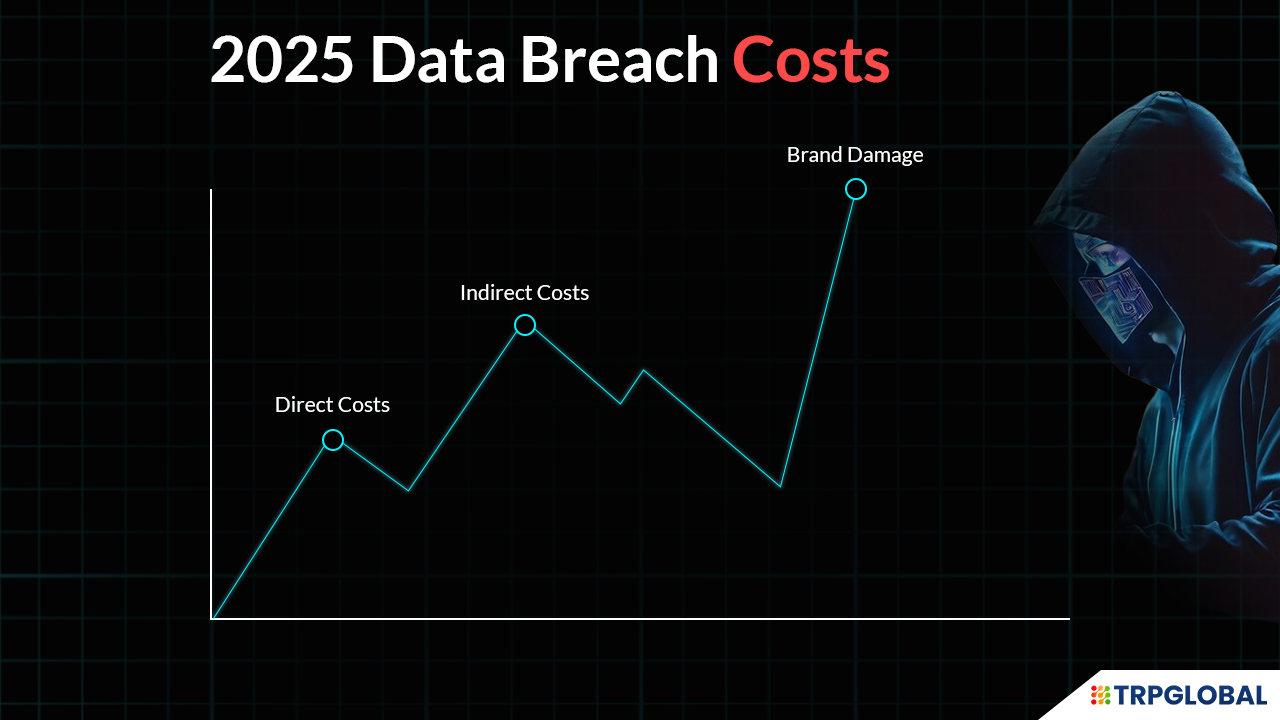
But what makes today’s breaches more dangerous isn’t just the price tag—it’s the cascading damage: investor panic, customer attrition, operational paralysis, and legal scrutiny that stretches for years.
The truth is: a breach today is a business crisis, not just a cyber event.
According to IBM’s 2024 report, the average breach takes 204 days to identify and 73 days to contain. That delay alone magnifies the cost—and the fallout. Let’s break down what’s on the line:
A breach stemming from bribed overseas contractors led to exposure of user data at Coinbase. The estimated financial impact? $180M–$400M. But the reputational hit was worse. Crypto markets are built on trust—this breach led to a 7% drop in active users within one quarter.
In a targeted ransomware attack, Frederick Health's systems were frozen, and nearly 1M patient records were compromised. While systems were restored, the recovery took weeks and forced the institution to redirect surgeries and cancel appointments—costing millions in lost revenue and trust.
In early 2024, IAG confirmed that a third-party vendor breach led to sensitive client information being accessed. The lesson? It wasn’t even their own systems that failed.
Data breach costs don’t stop when the systems are restored. Many companies face long-tail financial risk from:
In many cases, the legal and compliance costs can match or exceed the technical costs of the breach itself.
Publicly traded companies often face immediate market backlash after a breach. One study showed that share prices fall 7.5% on average in the first 14 days after a breach is disclosed—and in sectors like fintech or SaaS, the impact can be steeper.
Moreover, ESG-driven investors now consider cyber maturity a key evaluation factor, meaning a breach could deter future investment or impact valuation in M&A discussions.
The takeaway? No one is immune—just unequally prepared.
“Never trust, always verify.” Ensure all users, even inside the network, must be authenticated and authorized.
Audit your entire ecosystem—including vendors and third-party software—for vulnerabilities and access permissions.
Use a modern SIEM or XDR solution to flag anomalies early and minimize dwell time.
Conduct tabletop exercises to test your team’s readiness—from the SOC to the CEO.
Create and maintain an incident response plan that includes legal, PR, and business continuity actions.
Humans remain your weakest link. Regular phishing simulations and awareness training go a long way.
Insurance is your financial backstop, but ensure your coverage actually aligns with modern cyber risk (including ransomware and third-party breach liability).
If you can’t measure it, you can’t improve it. Here are key KPIs boards and CISOs should monitor:
The average organization now spends $1.45M more per breach when they lack a cohesive security strategy and response plan. Worse, brand damage and trust erosion are far harder to rebuild than systems.
Investing in proactive cybersecurity isn’t just about cost avoidance—it’s a competitive advantage. Clients, partners, and investors increasingly ask: “Can we trust your controls?”
If you’re still treating cyber risk as an IT problem, you’re missing the big picture. In 2025, data breaches are business risks, and your preparedness—or lack of it—can define your brand for years.
Need to Assess Your Readiness Before the Next Breach Hits? - Contact us to help your businesses build real-world breach readiness, from risk assessments and response planning to Zero Trust architecture and incident simulation.
Don’t wait for the attack to figure out what’s missing. Let’s fix it now.

In our newsletter, explore an array of projects that exemplify our commitment to excellence, innovation, and successful collaborations across industries.